
The Manager's Guidebook to Creating a Harmonious Multi-Generational Workplace
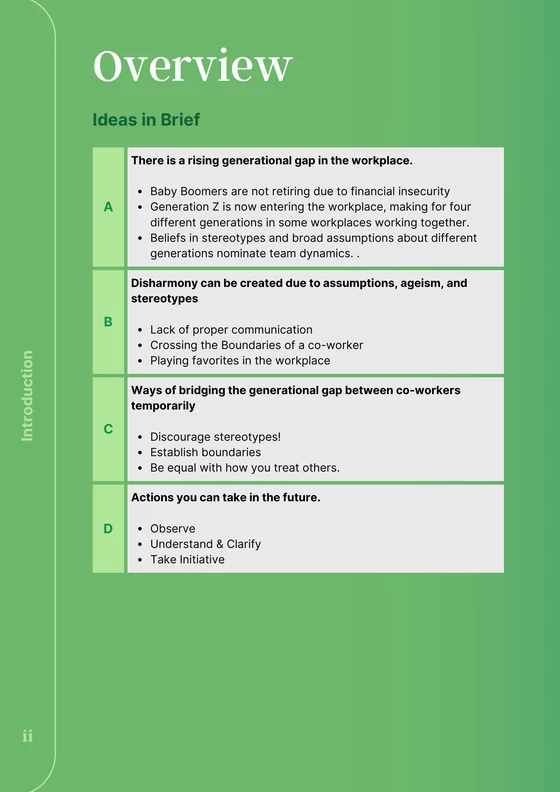
More workplaces now have people of several generations working side by side, and the guidebook says respect and harmony can suffer when people judge each other by stereotypes. This free guidebook from iGROW is written for managers. It covers what leads to disharmony, three ways to bridge the generational gap, and three O.U.T. steps for reaching your co-workers.
Free PDF · 16 pages · By iGROW
What you will learn
Preview the guidebook
Why is the generational gap a workplace issue?
The guidebook says more workplaces now have several generations working in one place, and expects this to intensify. People from different generations, shaped by how they grew up, can clash and cause disharmony.
It also says the stereotypes about generations rest more on anecdote than evidence, and that these stereotypes themselves cause disharmony if nobody deals with them.
What leads to disharmony?
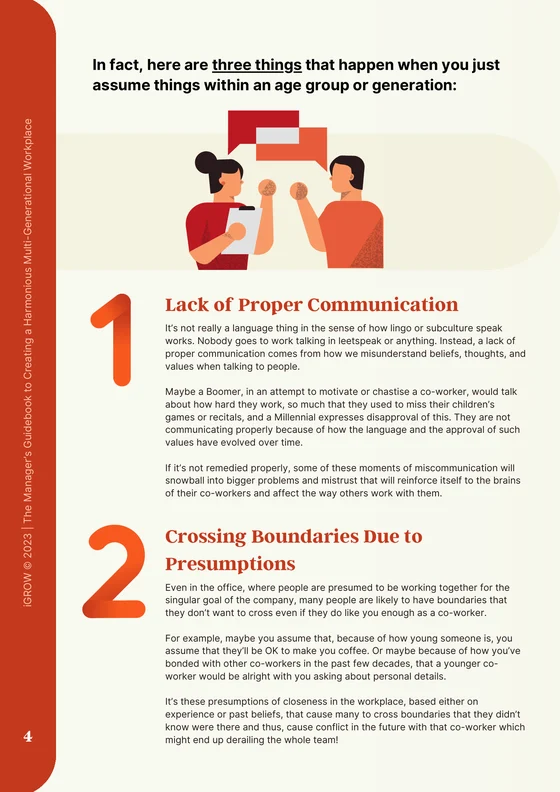
The guidebook says disharmony tends to be rooted in distrust of people with a significant age gap, and in judging a person by the stereotype of their generation. Three things follow.
How can a manager bridge the generational gap?
The guidebook says the problem is not that people have different values, but that they show them differently. A manager can remind co-workers that they share core values and goals.
Do not encourage stereotypes
Make clear that jokes about any generation are not tolerated, and use the moment to show what people have in common.
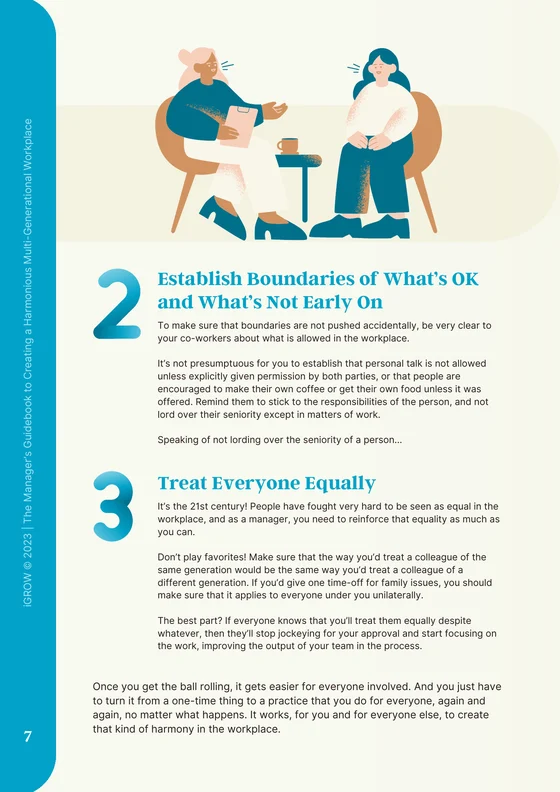
Establish boundaries early
Be clear about what is OK and what is not, for example that personal talk needs permission from both people, and that people make their own coffee unless offered.
Treat everyone equally
Treat a colleague of another generation the way you treat one of your own. If you give one person time off for family issues, apply it to everyone.
Free PDF, emailed to you. Just your name and email.
What does O.U.T. stand for?
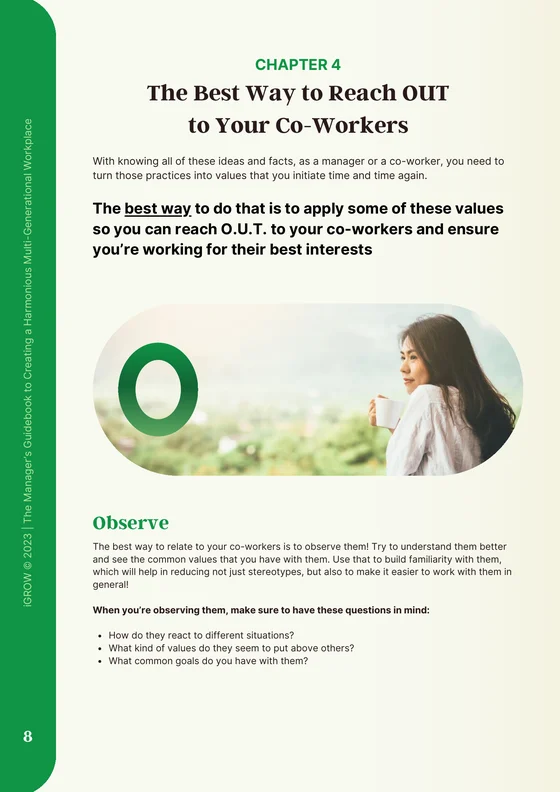
The guidebook says to turn these ideas into values you act on again and again, by reaching O.U.T. to your co-workers.
O: Observe
Look for common values and goals. Ask: how do they react to different situations, and what goals do we share?
U: Understand and clarify
Do not let assumptions control how you treat someone. Ask gently: why do they do this practice, and would asking directly lead to less conflict?
T: Take initiative
Be brave about bridging gaps. Ask: is the language I am using understandable, and is my door open to them?
Try this week: ask one clarifying question
Pick one co-worker you have made an assumption about. Ask them gently why they do a task the way they do, and listen to the reasoning before you decide what it means.
Who publishes this guidebook?
iGROW Pte Ltd is a workplace mental health consultancy in Singapore, established in 2009, with a multi-disciplinary team of professional psychologists, coaches, counsellors and consultants who work with employers on workplace mental well-being.
More free guides
All guides: iGROW resources and free guides
Also free: The Manager's Guide to Supporting Your Peers
Also free: The Modern Guide to Navigating Workplace Relationships
Frequently asked questions
Is the guidebook free?
Yes. It is a free 16-page PDF; enter your name and email and we will send it to you.
Who is this guidebook for?
Managers, and any co-worker who wants more harmony between generations at work.
What is in the guidebook?
Why the generational gap matters, what leads to disharmony, three ways to bridge the gap and the three O.U.T. steps.
Why is the PDF sent as a link?
The file is large, so the email carries a secure download link instead of an attachment. The link works for a limited time; submit the form again for a new one.
How can my company support employee well-being?
iGROW works with employers on workplace mental well-being. Book a call to talk it through.
Get the free guidebook
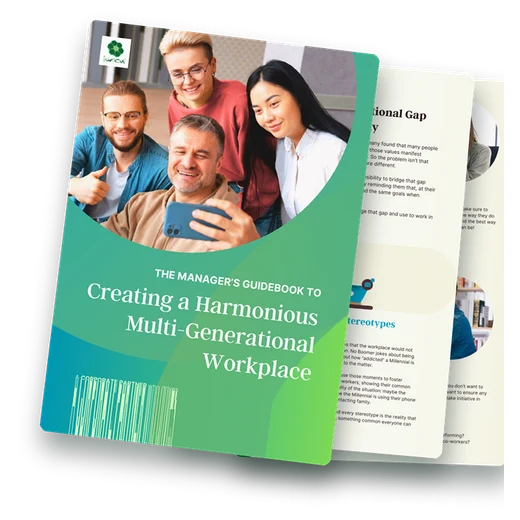
16-page PDF guidebook from iGROW. Enter your details and we will email it to you.
Thank you. Check your email for the guide.Thank you. Download your guide (PDF) This link works for one hour. Submit the form again for a new one.
Free PDF. Unsubscribe any time.
Support well-being across your team
iGROW works with employers on workplace mental well-being.
Prefer to talk now? Call +65 6871 8777.
Last updated: