
Tag: workplace mental health
All the articles with the tag "workplace mental health".

Mental Fitness Programs for Singapore Employees: What Evidence-Based Interventions Work?
Published:Many employees in Singapore experience work-related stress and burnout, impacting their overall well-being and productivity. Employers can address this by implementing structured mental health support programs, especially given that about one in three employees using the iWorkHealth tool in 2024 reported such issues.

Beyond Resilience Training: Developing Anti-Fragile Workforces in Singapore
Published:Many organizations struggle with employee stress and burnout, impacting productivity and overall well-being. In Singapore, the annual economic burden of depression and anxiety symptoms is estimated at S$15.7 billion, primarily due to lost productivity.

Implementing the Tripartite Advisory on Mental Health and Well-being at Workplaces: A Practical HR Guide
Published:The Tripartite Advisory on Mental Health and Well-being at Workplaces sets out what Singapore employers can do at organisation, team and individual levels. This guide turns it into steps for HR and points to related WSH Council and HPB resources.

Measuring Psychological Safety Beyond Surveys: Behavioral Indicators for Singapore Teams
Published:Many Singaporean teams struggle to foster an environment where employees feel safe to speak up and take risks without fear of negative consequences. Poor mental health is costly: depression and anxiety cost Singapore an estimated S$15.7 billion a year through presenteeism and absenteeism (2022 web-panel study in BMC Psychiatry, Chodavadia et al.).
Implementing a Workplace Mental Health Policy: Step-by-Step for Singapore HR
Published:A workplace mental health policy turns good intentions into consistent practice. This guide walks Singapore HR through the steps in MOM's Tripartite Advisory, from reviewing well-being regularly to return-to-work and confidential counselling access.
Government Grants for Workplace Mental Health and Wellbeing Costs in Singapore 2026
Published:Singapore's business grants changed on 30 September 2026, when the Enterprise Development Grant and Productivity Solutions Grant closed and the EDGE Grant took over. This guide sets out what EnterpriseSG says, checked on 26 October 2026, and what it means for funding workplace wellbeing.
Implementing Psychological First Aid in the Workplace: A Singapore Employer's Guide
Published:Employees in Singapore are increasingly facing mental health challenges, with work stress being a significant contributor. Employers have a crucial role in providing support, especially given that about one in three of more than 15,000 employees at employers that used iWorkHealth in 2024 reported work-related stress or burnout (a voluntary sample).
EAP Billing Models for Low-Utilisation Workplaces in Singapore: Providers Compared
Published:When few employees are likely to use an employee assistance programme, how the provider charges matters. This compares what Intellect, ThoughtFull, Safe Space and MindFi publish about how they charge, with iGROWFIT disclosed as one row.

Building Emotional Flexibility: A Key Skill for Singapore's VUCA Business Environment
Published:In today's volatile, uncertain, complex, and ambiguous (VUCA) business landscape, employees often struggle with adapting to rapid change and managing stress. This challenge is significant, as symptoms of depression and anxiety cost Singapore an estimated S$15.7 billion a year, mostly through lost productivity.

Employee Assistance Programme (EAP) for Singapore SMEs: Implementation Guide
Published:How a Singapore SME can set up an Employee Assistance Programme (EAP) and work through common barriers such as cost and stigma.

EAP Platforms in Singapore: Key Features and Integrations for Modern HR
Published:Many HR professionals in Singapore face the challenge of selecting an Employee Assistance Programme (EAP) that truly meets the diverse needs of their workforce. Employers are increasingly prioritizing workforce mental health, with the World Economic Forum identifying it as a growing concern in the evolving world of work.

Employee Assistance Programme (EAP) in Singapore: MOM's Recommendations
Published:What MOM recommends on the Employee Assistance Programme (EAP) in Singapore, and how HR can read the Tripartite Advisory in practice.

Return-to-Work Support After Mental Health Leave: A Step-by-Step Guide for Singapore HR
Published:Navigating an employee's return to work after mental health leave can be complex for HR professionals. Establishing clear support pathways is crucial, especially given that the World Health Organization estimates depression and anxiety cost the global economy around US$1 trillion each year in lost productivity.
How to Measure Team Culture Beyond the Annual Engagement Survey
Published:An annual engagement survey gives one snapshot of team culture. This guide shows how pulse surveys, conversations and observed behaviour can add a continuous view, using Gallup and Singapore government guidance.
Workplace Psychological First Aid (PFA) in Singapore: Beyond Crisis Response to Proactive Support
Published:Many workplaces in Singapore face the challenge of supporting employees through stressful events, often without a structured approach. Symptoms of depression and anxiety cost Singapore an estimated S$15.7 billion a year, mostly through lost productivity, highlighting the urgent need for effective interventions.

Cultivating Psychological Safety in Asian Work Cultures: Practical Strategies for Singapore Leaders
Published:Many leaders in Singapore and across Asia struggle to foster environments where employees feel safe to speak up without fear of negative consequences. This challenge is significant, especially when considering that symptoms of depression and anxiety cost Singapore an estimated S$15.7 billion a year, mostly through lost productivity, according to a 2022 web-panel study in BMC Psychiatry (Chodavadia et al.).

Developing a Psychologically Safe Workplace Without Legal or Managerial Risks in Singapore
Published:Many employees in Singapore face significant work stress, impacting their mental well-being. MOM told Parliament on 22 September 2025 that about one in three of more than 15,000 employees at employers that used iWorkHealth in 2024 reported work-related stress or burnout (a voluntary sample).
Psychological Flexibility in Leadership: A New Skill for Singapore's VUCA World
Published:Psychological flexibility is the ability to adapt to changing demands while staying true to your values. This guide explains the idea using published research and links it to MOM's workplace mental health guidance for Singapore leaders.
The Psychological Cost of Layoffs: Supporting Employees and Managers in Singapore
Published:Layoffs affect the people who leave, the colleagues who stay and the managers who deliver the news. This guide draws on MOM's Tripartite Advisory and the WHO psychological first aid manual to show how Singapore employers can support all three groups.

Navigating the Workplace Fairness Act: Mental Health Implications for Singapore Employers
Published:The Workplace Fairness Act is slated to take effect at the end of 2027, and mental health conditions will be a protected characteristic. This guide sets out what Singapore employers can review now, based on MOM and TAFEP guidance.

Best Manager Training for Spotting Distress and Burnout: A Singapore HR Guide
Published:Managers often struggle to identify early signs of employee distress and burnout, impacting team well-being and productivity. This challenge is significant in Singapore, where about one in three of more than 15,000 employees at employers that used iWorkHealth in 2024 reported work-related stress or burnout (a voluntary sample).

How to Measure EAP Effectiveness: Metrics That Matter for HR
Published:Many HR professionals struggle to quantify the impact of their Employee Assistance Programmes (EAPs).

Employee Assistance Programme (EAP) Services in Singapore: Buyer's Guide
Published:What to ask before signing an Employee Assistance Programme (EAP) in Singapore: qualifications, confidentiality, access and reporting, using MOM's advisory.
Measuring Executive Coaching ROI: Beyond Performance Metrics for Singapore Leaders
Published:Singapore leaders often struggle to quantify the true impact of executive coaching, extending beyond traditional performance indicators. This challenge is significant, especially considering that the World Health Organization estimates depression and anxiety cost the global economy around US$1 trillion each year in lost productivity.

Multilingual EAP Providers in Singapore: Comparing Support for Diverse Workforces
Published:An HR lead with staff who work in several languages needs more than a headline language count from an employee assistance programme. This compares what Intellect, ThoughtFull, Safe Space and MindFi publish, from 30 to 120+ languages, with iGROWFIT disclosed as one row.

Strategic EAP Selection: Aligning Provider Services with Singapore's MOM Guidelines
Published:Employers often struggle to select an Employee Assistance Programme (EAP) that genuinely supports their workforce's mental well-being. This challenge is significant, given that symptoms of depression and anxiety cost Singapore an estimated S$15.7 billion a year, mostly through lost productivity, according to a 2022 web-panel study in BMC Psychiatry (Chodavadia et al.).

Workplace Mental Health Consulting: What Singapore HR Leaders Should Look For in a Partner
Published:Singapore HR leaders often face the challenge of effectively supporting employee mental well-being amidst rising workplace stress. Data from the Ministry of Manpower indicate that about one in three of more than 15,000 employees at employers that used iWorkHealth in 2024 reported work-related stress or burnout (a voluntary sample).

Singapore Grants for Mental Health Education and Supervisor Training: What Activities Are Covered?
Published:Many Singaporean employers struggle to implement effective mental health support due to perceived costs. However, Singapore has offered grants and schemes that could offset up to 50% of qualifying costs (the Enterprise Development Grant ceased on 29 September 2026) for initiatives like mental health education and supervisor training, addressing the estimated SGD 15.7 billion annual cost of poor employee mental health in Singapore.

The Hidden Cost of Presenteeism: Quantifying Productivity Losses for Singapore Employers
Published:Many Singapore employers grapple with employees who are physically present but mentally disengaged, leading to significant productivity drains. This issue contributes to the estimated S$15.7 billion a year that symptoms of depression and anxiety cost Singapore, mostly in lost productivity.
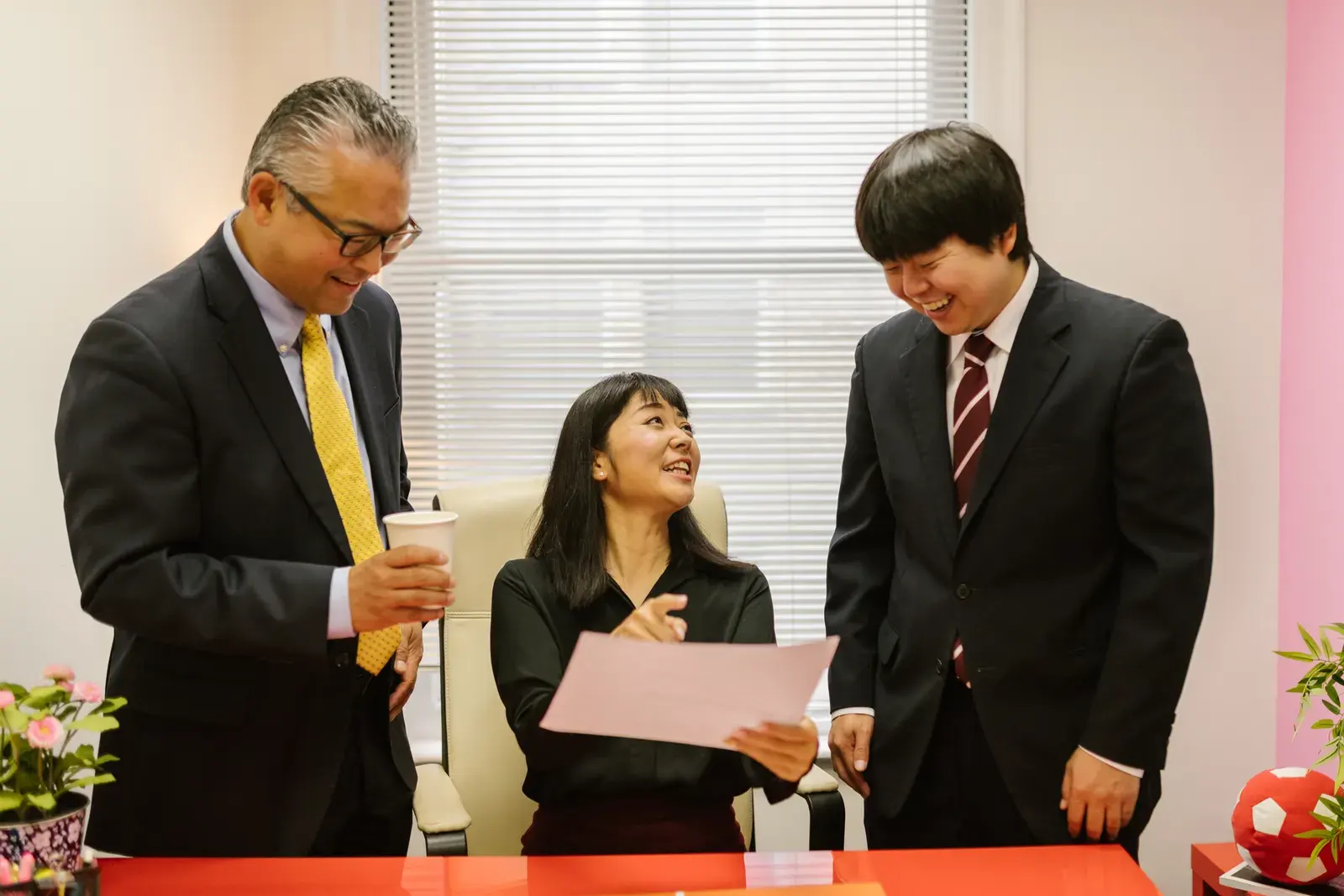
Executive Coaching vs Mental Wellness Coaching: Which is Right for Your Singapore Leaders?
Published:Leaders in Singapore often face unique pressures, and choosing the right support can significantly impact their effectiveness and well-being. Investing in structured mental health support, such as coaching, can help; Deloitte UK's 2022 analysis estimated about £5 back for every £1 UK employers invest in mental health support (UK data).

Workplace Mental Health Consultancy Services in Singapore: A Service Model Comparison
Published:An HR lead choosing between workplace mental health providers in Singapore faces services that look alike but work differently. This compares five providers on core service, delivery model, employer reporting and regional reach, using each provider's own website, with iGROWFIT disclosed as one row.

Beyond EAP: Integrating In-House Counselling and External Psychologists for Holistic Support
Published:Many organizations struggle to provide comprehensive mental health support that truly meets employee needs.
Comprehensive EAP Packages in Singapore: What Inclusions HR Should Demand
Published:HR professionals often face the challenge of selecting an Employee Assistance Programme (EAP) that truly meets their workforce's diverse needs.

Singapore Grants for Workplace Counselling: Eligibility and Application Process for SMEs
Published:Many SMEs in Singapore face challenges in funding comprehensive employee mental health support. Employers are encouraged to invest in structured workplace mental health programmes, as highlighted by the Tripartite Advisory on Mental Well-being at Workplaces.

Workplace Mental Health Interventions: A Cost-Benefit Analysis for Singapore SMEs
Published:Many Singapore SMEs face the challenge of supporting employee mental well-being while managing operational costs.

Calculating ROI for Manager Mental Health Training in Singapore: Metrics for HR Leaders
Published:HR leaders often struggle to quantify the impact of mental health initiatives. However, the Singapore Ministry of Manpower recommends that all employers implement structured employee mental health support programmes, highlighting the importance of such investments.

Employee Assistance Programme (EAP) Provider Checklist for Singapore Employers
Published:A checklist for choosing an Employee Assistance Programme (EAP) provider in Singapore: alignment with MOM's advisory, service breadth and provider expertise.

EAP Budgeting for Singapore SMEs: Essential Cost Components Beyond Per-Employee Fees
Published:Singapore SMEs often face challenges in allocating resources for employee well-being, sometimes overlooking the full scope of costs associated with Employee Assistance Programmes. This oversight can be significant, especially when considering that symptoms of depression and anxiety cost Singapore an estimated S$15.7 billion a year, mostly through lost productivity.

EAP for Singapore SMEs: Finding Affordable Per-Employee and Per-Session Pricing Models
Published:Many Singapore SMEs struggle to provide comprehensive mental health support due to budget constraints. However, poor employee mental health costs Singapore employers an estimated SGD 15.7 billion annually, highlighting the urgent need for accessible solutions like Employee Assistance Programmes (EAPs).
Top Psychological First Aid Training Providers in Singapore 2026: Certifications and Course Content Compared
Published:Employers in Singapore are increasingly recognizing the need for robust mental health support, yet navigating the options for training can be complex. The Singapore Ministry of Manpower's Tripartite Advisory on Mental Well-being at Workplaces recommends that all employers implement structured employee mental health support programmes.

Workplace Mental Health Grant Eligibility in Singapore: A Comparative Guide for SMEs vs Large Enterprises
Published:Navigating the landscape of workplace mental health support can be challenging for employers in Singapore.

Strategies to Reduce Manager and Frontline Staff Burnout Without Hurting Productivity
Published:Burnout among managers and frontline staff can severely impact organizational health and productivity. The World Health Organization estimates that depression and anxiety alone cost the global economy around US$1 trillion each year in lost productivity, highlighting the critical need for effective mental well-being strategies.

Human Centered Design for Mental Wellbeing: Crafting Employee Experience in Singapore
Published:The World Health Organization estimates that depression and anxiety cost the global economy around US$1 trillion each year in lost productivity, highlighting the critical need for effective workplace mental health strategies. Human-Centered Design (HCD) offers a powerful approach to address this by focusing on employee needs and experiences.

Rolling Out Mental Wellbeing Initiatives in Singapore's Multilingual Workplaces
Published:The World Health Organization estimates that depression and anxiety cost the global economy around US$1 trillion each year in lost productivity, highlighting the critical need for effective mental wellbeing initiatives in workplaces. In Singapore's diverse environment, successful implementation requires a strategic approach that addresses multilingual communication and cultural nuances.

Building a Manager Enablement Program for Mental Health Without Overburdening HR
Published:Manager enablement is a core part of workplace mental health support in Singapore.
Effective Leadership Development Programs for Reducing Burnout and Improving Team Wellbeing
Published:With about one in three of more than 15,000 employees at employers that used iWorkHealth in 2024 reporting work-related stress or burnout (a voluntary sample), and symptoms of depression and anxiety costing Singapore an estimated S$15.7 billion a year, effective leadership development programs are crucial for addressing burnout and enhancing team wellbeing.

What Is an EAP, and Is It Confidential?
Published:An Employee Assistance Programme (EAP) is a confidential support service your employer provides, usually short-term counselling or coaching for everyday worries. What you say is not shared with your manager or employer, with a few rare exceptions for safety or the law.

Measuring the Unmeasurable: ROI of Relational Fitness and Team Cohesion
Published:The World Health Organization estimates that depression and anxiety cost the global economy around US$1 trillion each year in lost productivity, highlighting the critical need for effective workplace mental health strategies. Investing in relational fitness and team cohesion can directly mitigate these costs by fostering a supportive environment that reduces stress and burnout.

Occupational Trauma in High-Risk Industries: Singapore HR Perspective
Published:Addressing occupational trauma is crucial for Singaporean HR, especially given that about one in three of more than 15,000 employees at employers that used iWorkHealth in 2024 reported work-related stress or burnout (a voluntary sample).

Managing Grief and Loss in Teams: A Singapore Manager Guide
Published:With about one in three of more than 15,000 employees at employers that used iWorkHealth in 2024 reporting work-related stress or burnout (a voluntary sample), managers need practical strategies to support employees through grief and loss.

Post-Incident Psychological Support: What Employers Owe Employees
Published:Poor employee mental health costs Singapore employers an estimated SGD 15.7 billion annually, highlighting the critical need for robust workplace support. Providing post-incident psychological care is not just a moral imperative but a strategic investment in workforce resilience and productivity.

Future HR Skills: What the AI Era Demands in Singapore
Published:The advent of AI in the workplace necessitates a shift in HR priorities, particularly towards employee well-being, as the World Health Organization estimates that depression and anxiety cost the global economy around US$1 trillion each year in lost productivity.

Psychological Safety and Innovation: What the Research Actually Shows
Published:Research, notably Google's Project Aristotle, consistently identifies psychological safety as the single strongest predictor of high-performing team outcomes across diverse industries. This foundational element fosters an environment where employees feel safe to take risks, share ideas, and innovate without fear of negative repercussions.

Designing Mental Wellbeing Into the Employee Journey Map
Published:Integrating mental wellbeing into the employee journey map is crucial for organizations, especially given that poor employee mental health costs Singapore employers an estimated SGD 15.7 billion annually in reduced productivity and absenteeism.

Relational Fitness and Retention: What the Data Shows for Singapore HR
Published:Poor employee mental health costs Singapore employers an estimated SGD 15.7 billion annually in lost productivity, highlighting the critical link between employee wellbeing, relational fitness, and talent retention.

The Most Effective Psychological Safety Training for Singapore Leaders and Managers
Published:Poor employee mental health costs Singapore employers an estimated SGD 15.7 billion annually, highlighting the critical need for effective psychological safety training to foster supportive work environments and mitigate these significant economic burdens.

Singapore's Ageing Workforce: Mental Health Challenges and Support Strategies
Published:Addressing the mental well-being of Singapore's ageing workforce is crucial, as depression and anxiety alone cost the global economy an estimated US$1 trillion each year in lost productivity, according to the World Health Organization. Proactive support strategies are essential for organizational sustainability and employee well-being.

Essential Counselling Session Counts for Singapore EAPs: 3, 5, 6, or Unlimited?
Published:Workplace mental health is a growing employer priority, with the World Health Organization estimating that depression and anxiety cost the global economy around US$1 trillion each year in lost productivity.

Overcoming Empathy Fatigue in HR: Practical Strategies for Singapore Practitioners
Published:HR professionals in Singapore often face significant emotional demands, making them susceptible to empathy fatigue. Addressing this, the Singapore Ministry of Manpower's Tripartite Advisory on Mental Well-being at Workplaces recommends that all employers implement structured employee mental health support programmes, highlighting the importance of systemic support for all staff, including HR.

Boosting EAP Utilization: Overcoming Stigma and Low Employee Engagement in Singapore
Published:To enhance Employee Assistance Programme (EAP) utilization in Singapore, employers should align their offerings with national guidelines, such as the Health Promotion Board's Design Guide for Tier 1 mental well-being programmes, and follow the Tripartite Advisory on Mental Well-being at Workplaces, which recommends providing access to professional support.

Post-COVID Mental Health Support for Singapore Workplaces: New Employer Responsibilities
Published:The Singapore Ministry of Manpower's Tripartite Advisory on Mental Well-being at Workplaces recommends that all employers implement structured employee mental health support programmes, highlighting a shift towards greater employer responsibility in fostering a supportive work environment post-pandemic.

Training Managers to Spot Burnout and Psychosocial Risks Early in Singapore
Published:Singapore employers can enhance their leadership and HR capabilities by leveraging support from national initiatives like the Institute for Human Resource Professionals (IHRP) Certification, which aims to professionalise HR practice. This strategic investment helps equip managers to proactively identify and address early signs of burnout and psychosocial risks within their teams.

Aligning Workplace Mental Health Programs with MOM Guidance and Risk Assessments in Singapore
Published:The Singapore Ministry of Manpower's Tripartite Advisory on Mental Well-being at Workplaces recommends that all employers implement structured employee mental health support programmes, a crucial step given that depression and anxiety cost the global economy around US$1 trillion annually in lost productivity.
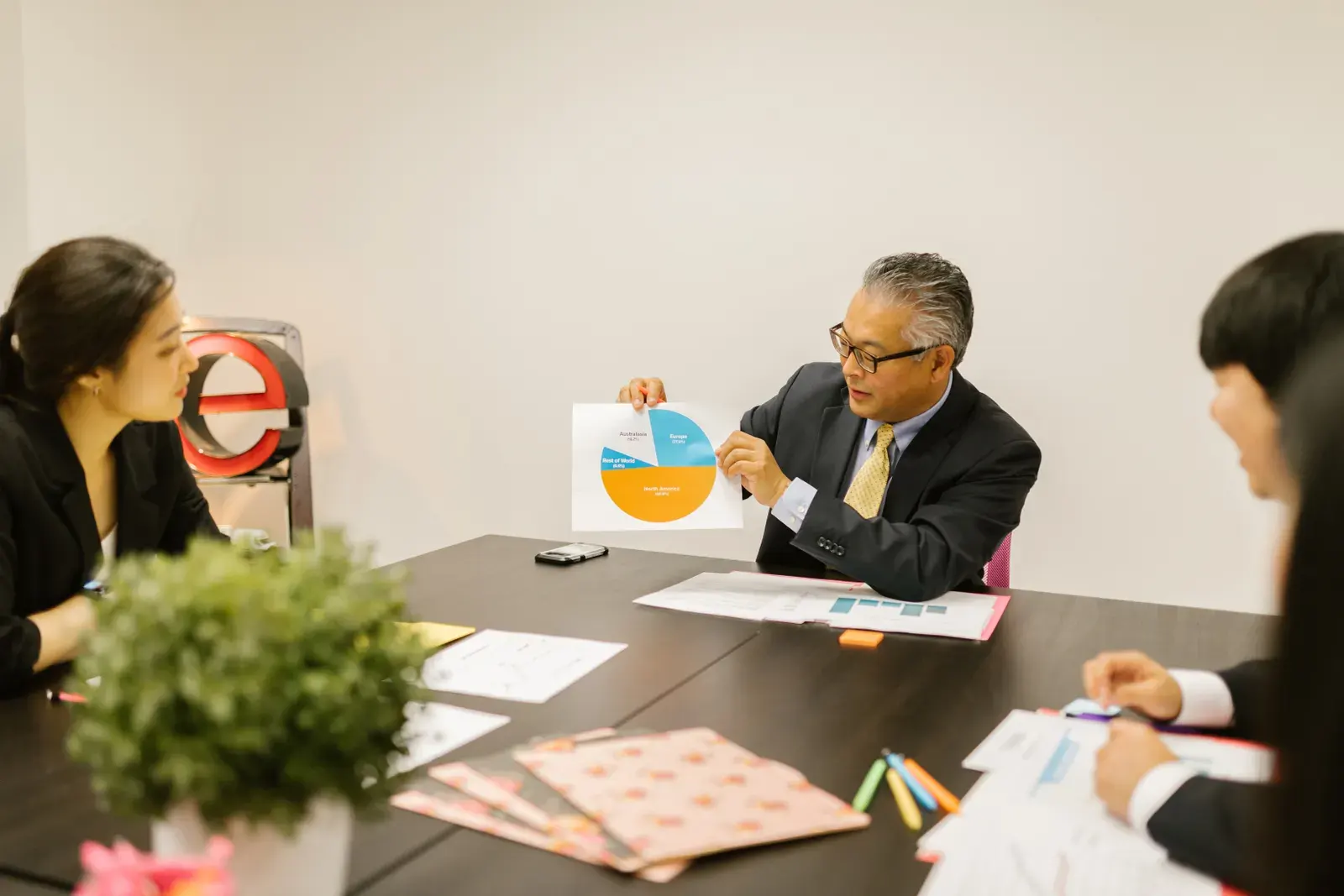
Business Outcomes of Wellbeing Programs: Resilience, Mental Fitness, Financial Wellbeing, or Coaching?
Published:Investing in employee wellbeing programs is crucial for organizational health, especially given that depression and anxiety alone cost the global economy an estimated US$1 trillion each year in lost productivity, according to the World Health Organization.

The Impact of Psychosocial Risk Assessments on Workplace Safety and Health in Singapore
Published:Poor employee mental health costs Singapore an estimated SGD 15.7 billion annually in reduced productivity and absenteeism, highlighting the critical need for proactive psychosocial risk management in workplaces.

Employee Assistance Programme (EAP) Singapore: 2026 Market Overview
Published:How the Employee Assistance Programme (EAP) market in Singapore looks in 2026: MOM's advisory, the HPB Design Guide and what employers should expect.

EAP Proposal Template for Singapore Companies: Key Sections and Best Practices
Published:Crafting an effective Employee Assistance Programme (EAP) proposal for Singapore companies is crucial, especially given that depression and anxiety cost the global economy an estimated US$1 trillion annually in lost productivity, as reported by the World Health Organization. A well-structured proposal can clearly articulate how an EAP addresses this significant challenge and aligns with national guidelines.

Implementing Psychological Safety Training for Managers: Expected Results and Best Practices in Singapore
Published:Investing in workplace mental well-being, including psychological safety training for managers, is crucial given that depression and anxiety disorders cost the global economy US$1 trillion annually in lost productivity, as estimated by the World Health Organization.

Employee Assistance Programme (EAP) Singapore: MOM Guidelines
Published:What MOM's Tripartite Advisory says about the Employee Assistance Programme (EAP) in Singapore, and how employers can align their EAP with it.

Comparing Psychometric Profiling Tools for Leadership Development in Singapore
Published:In Singapore, employers are increasingly focusing on mental well-being at work, with the Ministry of Manpower recommending measures like peer support systems. While psychometric tools are not directly addressed by these advisories, they can indirectly support leadership development that fosters a healthier workplace culture.

Singapore's Workplace Mental Health Guidance and Fairness Rules: Employer Expectations
Published:Employers in Singapore are increasingly recognizing the importance of fostering a supportive work environment, with research indicating that meeting employees' core psychological needs significantly improves their wellbeing and engagement.

Grit and Resilience in Singapore Workplaces: A Definitive Guide for HR
Published:Building grit and resilience in Singapore workplaces is crucial, especially given the Singapore Ministry of Manpower's recommendation for all employers to implement structured employee mental health support programmes.

Workplace Psychological First Aid (PFA) Training in Singapore: Essential Components
Published:Psychological First Aid (PFA) training, as outlined by the World Health Organization, equips individuals to provide humane, supportive first contact and refer those in distress to professional help, a critical skill for workplaces in Singapore and across APAC.

Designing Your EAP Package: Essential Inclusions for Singapore Employers in 2026
Published:Employers in Singapore are increasingly recognizing the importance of comprehensive Employee Assistance Programmes (EAPs) to support employee mental well-being, aligning with recommendations from the Tripartite Advisory on Mental Well-being at Workplaces.

Corporate Mental Health Platforms vs Traditional EAP: A Singapore HR Guide
Published:While traditional Employee Assistance Programmes (EAPs) often see low utilisation rates, modern corporate mental health platforms like iGROWFIT aim for significantly higher engagement, with some programmes achieving 15 to 30% engagement compared to typical EAP rates of 0 to 5%. This guide explores the differences for Singapore HR leaders.
Financial Wellbeing Programs for Employees: Comparing Providers and Impact in Singapore
Published:The Singapore Ministry of Manpower's Tripartite Advisory on Mental Well-being at Workplaces recommends that all employers implement structured employee mental health support programmes, highlighting the growing need for comprehensive wellbeing solutions.

Building a Manager Enablement Program for Mental Health: A Cost-Benefit Analysis for Singapore Firms
Published:Singapore's Ministry of Manpower recommends that all employers implement structured employee mental health support programs, highlighting the growing importance of manager enablement in fostering a supportive workplace.
Calculating EAP ROI: Beyond Absenteeism and Presenteeism Metrics for Singapore Firms
Published:Poor employee mental health costs Singapore employers an estimated SGD 15.7 billion annually, with presenteeism accounting for the largest portion. Understanding the full return on investment for Employee Assistance Programmes requires looking beyond traditional metrics to encompass broader organizational benefits.

Cost Effective Mental Health Interventions for Singapore SMEs: A Buyer's Guide
Published:Poor employee mental health costs Singapore employers an estimated SGD 15.7 billion annually in reduced productivity and absenteeism, highlighting the critical need for effective and accessible mental health interventions for SMEs.

Measuring Wellbeing Program Effectiveness: Reducing Burnout and Boosting Productivity in Singapore
Published:Poor employee mental health costs Singapore an estimated SGD 15.7 billion annually, with presenteeism accounting for 81.6% of this total. Effectively measuring wellbeing program effectiveness is crucial for organizations to mitigate these costs and foster a healthier, more productive workforce.

Average EAP Cost Per Employee Per Year in Singapore: What to Budget
Published:Poor employee mental health costs Singapore an estimated SGD 15.7 billion annually. Investing in Employee Assistance Programmes (EAPs) is a recommended strategy to mitigate these costs and support workforce well-being.
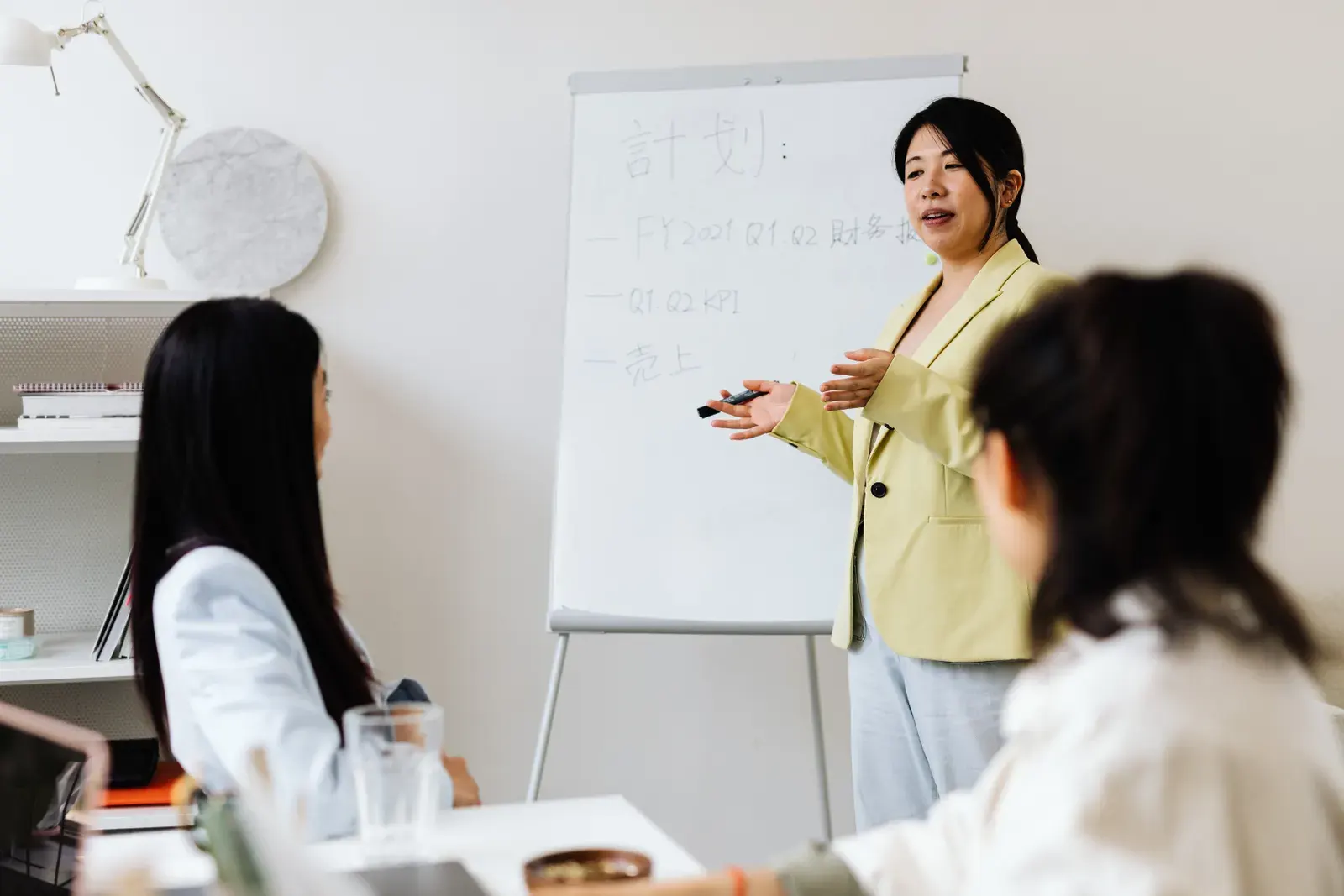
ROI of Mental Resilience Training for Employees in Singapore: A Business Case
Published:Poor employee mental health costs Singapore employers an estimated SGD 15.7 billion annually in reduced productivity and absenteeism. Investing in mental resilience training can mitigate these significant financial burdens and foster a more robust, engaged workforce.

EAP Pricing Models in Singapore: Cost Per Employee and What to Expect
Published:Understanding Employee Assistance Programme (EAP) pricing models is crucial for Singaporean employers, especially given that depression and anxiety cost the global economy around US$1 trillion each year in lost productivity, as estimated by the World Health Organization. This guide explores common cost-per-employee structures and what services to anticipate.

Employee Assistance Programme (EAP) Providers in Singapore: SMEs and Enterprises
Published:What Singapore SMEs and larger employers should look for in an Employee Assistance Programme (EAP) provider, based on MOM's structured support advice.

Comparing Workplace Wellbeing Vendors in Singapore: Price, Confidentiality, Multilingual Support
Published:Employers investing in mental health support can see a significant return on investment, with Deloitte UK's 2022 analysis estimating an average return of about £5 for every £1 invested (UK data). This guide compares key workplace wellbeing vendors in Singapore, focusing on critical factors like service offerings, regional reach, and support for diverse workforces.

Employee Assistance Programme (EAP) Providers in Singapore: 2026 Guide
Published:How to evaluate Employee Assistance Programme (EAP) providers in Singapore: services, regional relevance and multilingual support for your workforce.

Best EAP for SMEs vs Large Enterprises in Singapore: A Feature Comparison
Published:The Singapore Ministry of Manpower's Tripartite Advisory on Mental Well-being at Workplaces recommends that all employers implement structured employee mental health support programmes, including access to Employee Assistance Programmes (EAPs). This comparison helps Singaporean employers navigate EAP options tailored for different organizational sizes.

Executive Coaching for Leaders in Singapore: Pricing, Providers, and ROI
Published:Executive coaching for leaders in Singapore is a strategic investment, especially given that the World Health Organization estimates depression and anxiety cost the global economy around US$1 trillion each year in lost productivity. This highlights the critical role of leadership in fostering a supportive work environment and mitigating such costs.

Employee Assistance Programme (EAP) Providers for Singapore SMEs Compared
Published:Five Employee Assistance Programme (EAP) providers for Singapore SMEs compared on service, delivery and published size or payment options.

How to Teach Emotional Regulation to Your Management Team
Published:Teaching emotional regulation to your management team is crucial for fostering a resilient and productive workplace, especially given that poor employee mental health costs Singapore employers an estimated SGD 15.7 billion annually in reduced productivity and absenteeism.

Emotional Agility in the Workplace: Beyond Traditional EQ
Published:Poor employee mental health costs Singapore employers an estimated SGD 15.7 billion annually, highlighting the critical need for advanced emotional skills like emotional agility. This approach helps individuals navigate complex feelings and respond constructively to workplace challenges.

What Singapore Employees Actually Want From Their Managers in 2026
Published:Employee engagement is a critical competitive differentiator for organizations, strongly relating to retention and productivity, according to Gallup's meta-analysis. Understanding these evolving needs is crucial for managers in Singapore to foster a thriving workforce.

Emotional Agility for Leaders: Evidence-Based Techniques
Published:Poor employee mental health costs Singapore employers an estimated SGD 15.7 billion annually, with presenteeism accounting for the vast majority of this burden. Leaders equipped with emotional agility can significantly mitigate these costs by fostering healthier, more productive work environments.
High-Potential Program Design That Actually Develops People
Published:Effective high-potential programs are crucial for talent development, especially given that 1 in 3 employees in Singapore experienced work stress or burnout in 2022. Designing programs that genuinely develop people, rather than just identify them, is key to fostering a resilient and productive workforce.

Leaders and Mental Health Disclosure: Should Managers Share at Work
Published:Workplace mental health is a growing priority for employers, especially given that depression and anxiety symptoms could be costing Singapore an estimated S$15.7 billion a year, mostly in lost productivity, according to a 2022 web-panel study in BMC Psychiatry (Chodavadia et al.). Leaders play a crucial role in fostering a supportive environment, but the extent of personal disclosure requires careful consideration.

Critical Incident Stress Management for Singapore Organizations
Published:Workforce mental health and wellbeing are increasingly identified as a growing employer priority by organizations like the World Economic Forum, highlighting the need for robust support systems in Singapore workplaces.

Gen Z and AI at Work: New Kinds of Workplace Anxiety in Singapore
Published:Workplace mental health is a growing priority, especially with the rise of AI. In Singapore, symptoms of depression and anxiety cost an estimated S$15.7 billion a year, highlighting the urgent need to address new anxieties emerging from technological shifts.

Ethical AI in the Workplace: A Singapore HR Compliance Guide
Published:This article explores the landscape of ethical AI in the workplace, focusing on HR compliance in Singapore. While specific data on AI's direct impact on HR compliance is still emerging, the broader context of workplace well-being is significant, with poor employee mental health costing Singapore employers an estimated SGD 15.7 billion annually in reduced productivity and absenteeism, as reported in BMC Psychiatry.

Mental Fitness for Finance and Legal Professionals in Singapore
Published:Poor mental health, specifically symptoms of depression and anxiety, costs Singapore an estimated SGD 15.7 billion annually, with presenteeism being the largest contributor, highlighting the critical need for mental fitness in high-pressure sectors like finance and legal professions.