
Tag: future of work
All the articles with the tag "future of work".

Future HR Skills: What the AI Era Demands in Singapore
Published:The advent of AI in the workplace necessitates a shift in HR priorities, particularly towards employee well-being, as the World Health Organization estimates that depression and anxiety cost the global economy around US$1 trillion each year in lost productivity.

What Singapore Employees Actually Want From Their Managers in 2026
Published:Employee engagement is a critical competitive differentiator for organizations, strongly relating to retention and productivity, according to Gallup's meta-analysis. Understanding these evolving needs is crucial for managers in Singapore to foster a thriving workforce.

Gen Z and AI at Work: New Kinds of Workplace Anxiety in Singapore
Published:Workplace mental health is a growing priority, especially with the rise of AI. In Singapore, poor employee mental health costs employers an estimated SGD 16 billion annually, highlighting the urgent need to address new anxieties emerging from technological shifts.

Ethical AI in the Workplace: A Singapore HR Compliance Guide
Published:This article explores the landscape of ethical AI in the workplace, focusing on HR compliance in Singapore. While specific data on AI's direct impact on HR compliance is still emerging, the broader context of workplace well-being is significant, with poor employee mental health costing Singapore employers an estimated SGD 15.7 billion annually in reduced productivity and absenteeism, as reported in BMC Psychiatry.

Digital Burnout: When Technology Accelerates Workplace Exhaustion
Published:Organizations that implement structured, professional-led mental health support programs can see improvements in employee retention and productivity within 12 months, addressing the growing challenge of digital burnout. This proactive approach helps mitigate the exhaustion accelerated by constant technological demands.
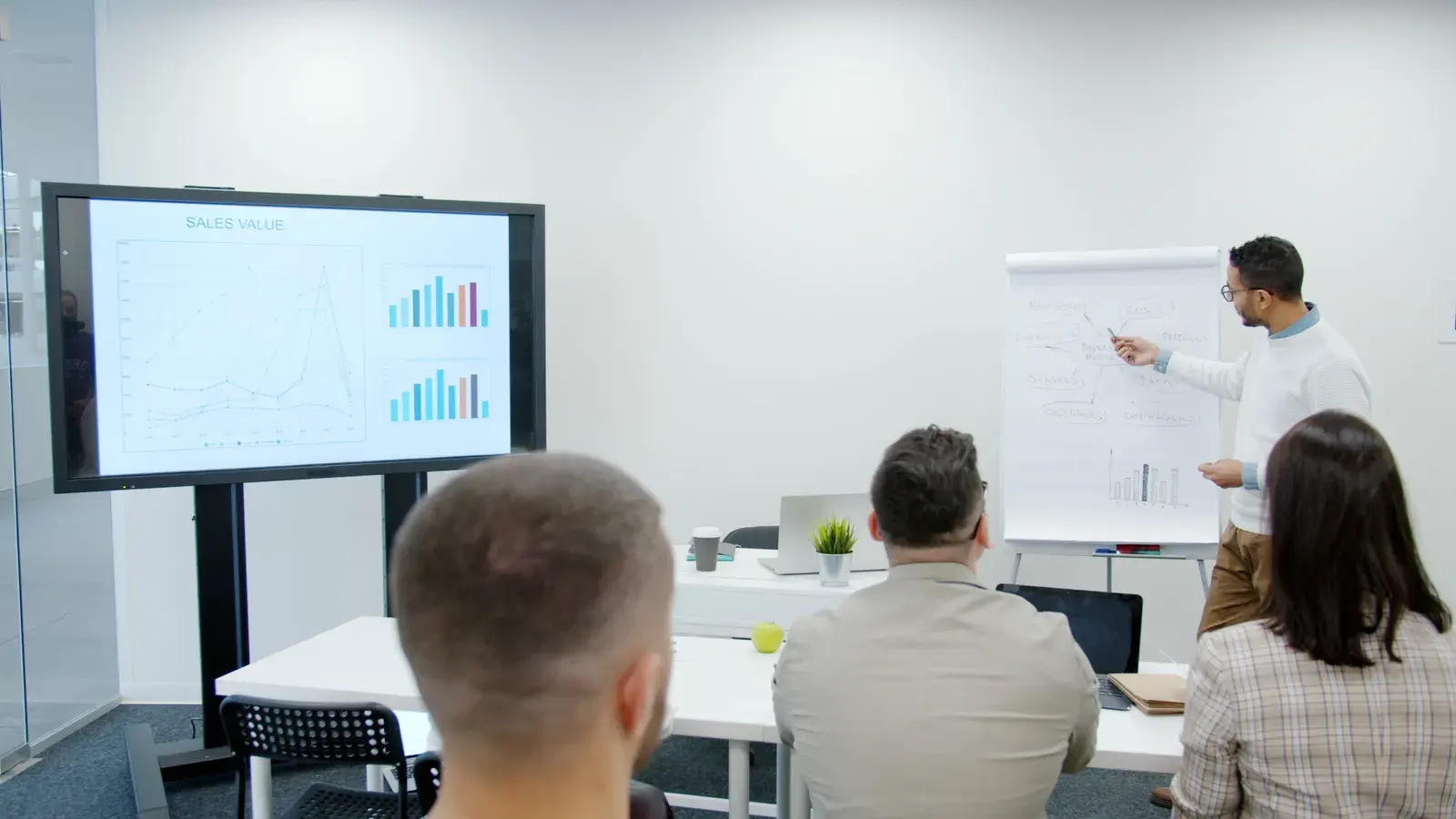
AI Coaching vs Human Coaching for Leaders: Which Works Better
Published:The global economy faces a significant challenge, with depression and anxiety costing an estimated US$1 trillion each year in lost productivity, highlighting the critical need for effective leadership support. As workplaces evolve, the debate between AI and human coaching for leaders intensifies, each offering distinct advantages in fostering mental well-being and productivity.

AI and Workplace Mental Health in Asia: Opportunities, Risks, and What Employers Should Know
Published:The global economy faces a significant challenge, with depression and anxiety costing an estimated US$1 trillion annually in lost productivity. As AI integration accelerates, particularly in Asia, understanding its dual impact on employee well-being is crucial for employers navigating this evolving landscape.