
Tag: Thailand
All the articles with the tag "Thailand".

What Is Mental Fitness and How Is It Different from Mental Health
Published:Understanding the distinction between mental fitness and mental health is crucial for workplace well-being strategies, especially given that poor employee mental health costs Singapore an estimated SGD 15.7 billion annually.

How Managers Accidentally Destroy Psychological Safety
Published:Poor psychological safety in the workplace can have significant financial repercussions, contributing to the estimated SGD 15.7 billion annually in lost productivity for Singapore employers. Managers, often unintentionally, play a critical role in either fostering or eroding this essential element of a healthy work environment.
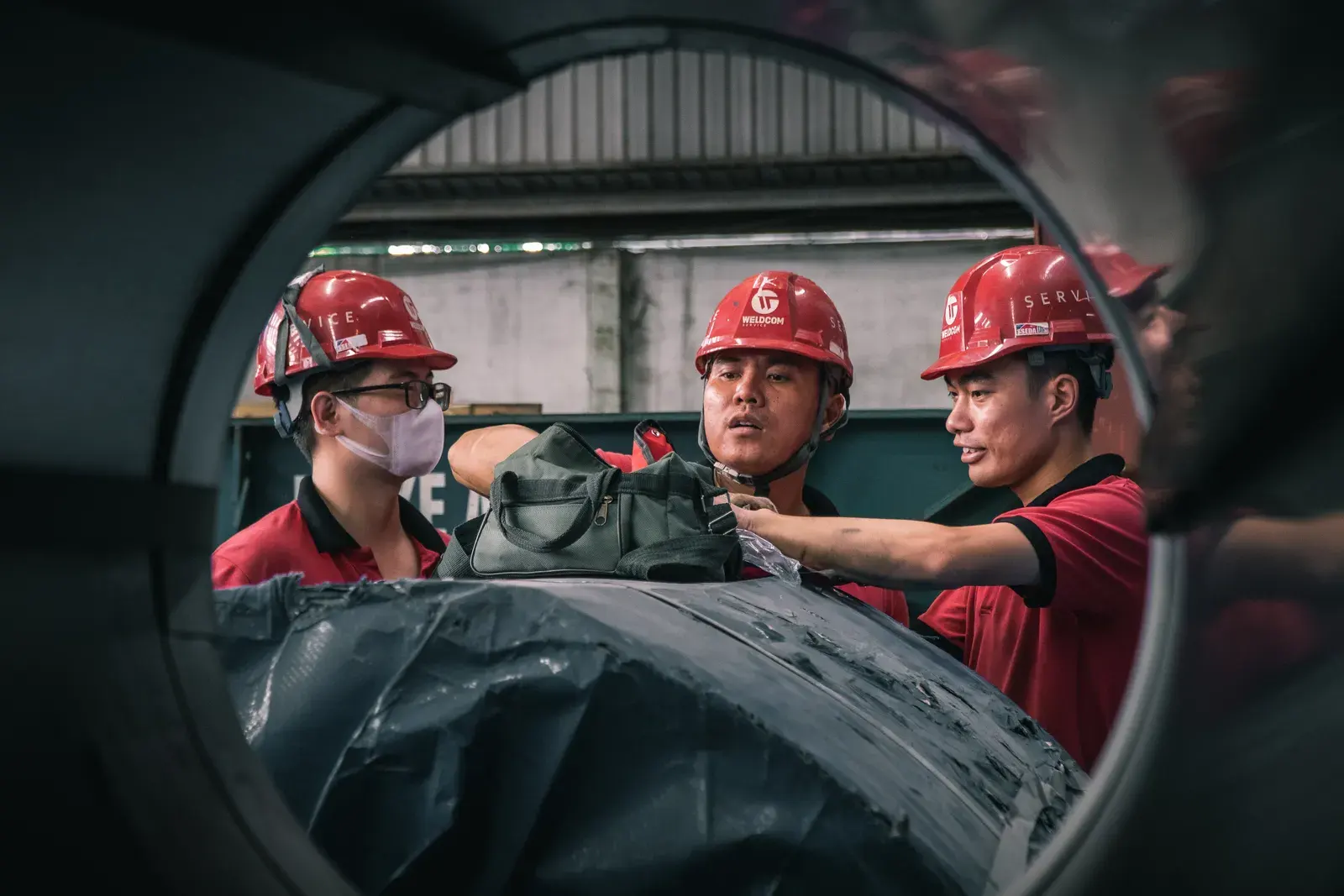
Psychological Safety in Asian Work Cultures: What Is Different
Published:Fostering psychological safety is crucial for workplace well-being, especially given that poor employee mental health costs Singapore employers an estimated SGD 15.7 billion annually, with presenteeism accounting for the vast majority of this burden. Understanding cultural nuances is key to effectively implementing psychological safety initiatives in Asian work environments.

Conflict Resolution That Strengthens Culture Not Damages It
Published:Effective conflict resolution is crucial for a healthy workplace, especially given that depression and anxiety cost the global economy around US$1 trillion each year in lost productivity, highlighting the need for supportive work environments.

Empathy Fatigue in HR Practitioners: Signs and Solutions
Published:Globally, an estimated 12 billion working days are lost every year to depression and anxiety, costing US$ 1 trillion in lost productivity, highlighting the immense pressure on HR practitioners who often serve as frontline support for employee well-being.
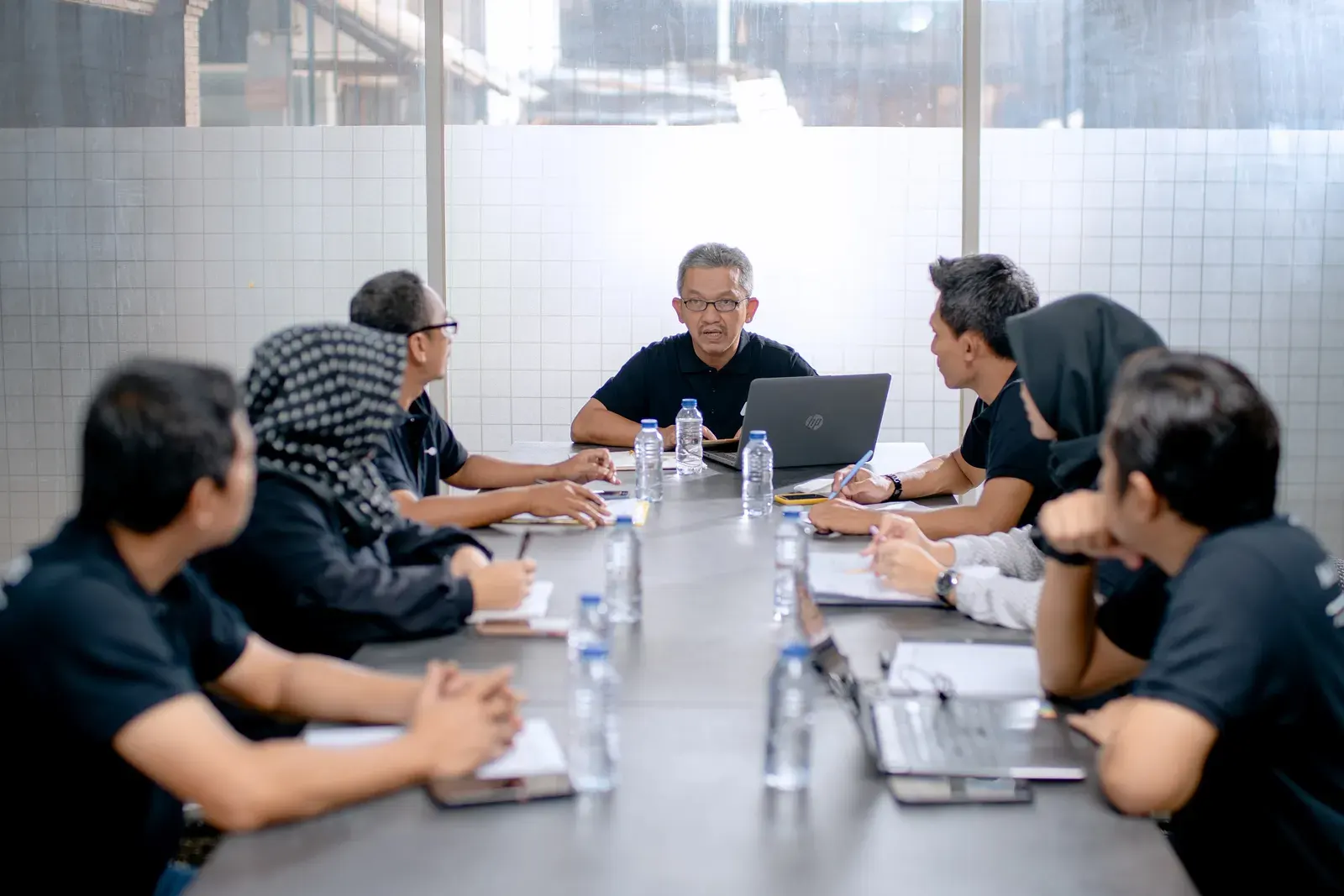
How to Build a Coaching Culture in 90 Days
Published:Building a coaching culture can significantly enhance employee well-being and productivity. Research on a joint employee-manager intervention, MENTOR 2.0, demonstrated reductions in psychological distress and improvements in productivity within an average program duration of 65 days, achieving an 87% post-intervention retention rate.

Resilience vs Grit: What Singapore HR Leaders Need to Understand
Published:Singapore HR leaders are increasingly focused on employee well-being, with the Ministry of Manpower's Tripartite Advisory on Mental Well-being at Workplaces recommending that all employers implement structured mental health support programmes.

Psychological Safety vs Being Nice: The Critical Difference
Published:Understanding the distinction between psychological safety and merely being nice is crucial for fostering truly supportive and productive workplaces. The World Economic Forum identifies workforce mental health and wellbeing as a growing employer priority, underscoring the need for environments where employees feel safe to speak up.

Wellbeing Strategy That Survives an Economic Downturn
Published:Investing in employee mental health and wellbeing is not just a cost, but a strategic imperative; Deloitte UK's 2022 analysis estimated about £5 back for every £1 UK employers invest in mental health support (UK data).

Mental Fitness Quiz for Singapore Employees: What It Measures and Why It Matters
Published:Symptoms of depression and anxiety cost Singapore an estimated S$15.7 billion a year, mostly through lost productivity, highlighting the critical need for proactive mental wellness strategies. Mental fitness quizzes offer a valuable tool for organizations to understand and support their workforce's psychological wellbeing.

How to Support Managers With Psychological Safety Training in Singapore
Published:Symptoms of depression and anxiety cost Singapore an estimated S$15.7 billion a year, mostly through lost productivity, highlighting the critical need for effective workplace interventions. Psychological safety training for managers is a key strategy to foster environments where employees feel safe to contribute, innovate, and thrive.

Suicide Prevention in the Workplace: A Singapore Employer Guide
Published:Symptoms of depression and anxiety cost Singapore an estimated S$15.7 billion a year, mostly through lost productivity, highlighting the critical need for proactive workplace mental health strategies, including suicide prevention.

Psychological First Aid Training for Managers in Singapore: What Is Required
Published:Poor employee mental health costs Singapore employers an estimated SGD 15.7 billion annually in lost productivity, highlighting the critical need for proactive support. Equipping managers with Psychological First Aid (PFA) training is a vital step to address this, enabling them to provide immediate, humane support and refer employees to professional help.

Will AI Replace HR in Singapore? What the Data Shows
Published:While AI is transforming HR functions, the data suggests a more nuanced future where human expertise remains critical, especially given that poor employee mental health costs Singapore an estimated SGD 15.7 billion annually. AI will likely augment, rather than fully replace, HR professionals, allowing them to focus on strategic initiatives like employee well-being.

Mental Fitness KPIs Every Singapore HR Team Should Track
Published:With depression and anxiety costing the global economy an estimated US$1 trillion annually in lost productivity, tracking mental fitness KPIs is crucial for Singapore HR teams to mitigate these impacts and foster a healthier workforce.

Singapore Burnout Statistics 2026: What Employers Must Know
Published:Symptoms of depression and anxiety may cost Singapore an estimated S$15.7 billion a year, mostly in lost productivity, highlighting the critical need for employers to address workforce mental health proactively. Understanding these statistics is crucial for developing effective strategies to support employee well-being and mitigate significant economic impacts.

Enhancing Team Performance: Psychological Safety Assessment Tools for Singapore Teams
Published:Understanding and fostering psychological safety is crucial for high-performing teams, especially given that Google's Project Aristotle identified it as the single strongest predictor of team success across all industries studied. Implementing effective assessment tools can help Singaporean organizations cultivate environments where employees feel safe to contribute and innovate.

ESG Reporting and Employee Mental Health: What Singapore Employers Must Disclose
Published:Symptoms of depression and anxiety cost Singapore an estimated S$15.7 billion a year, or about 2.9 per cent of the nation’s gross domestic product, highlighting the critical need for employers to address and potentially disclose their strategies for supporting employee well-being.

What EAP Utilization Rates Should Singapore Employers Expect?
Published:Symptoms of depression and anxiety cost Singapore an estimated S$15.7 billion a year, highlighting the critical need for effective support systems like Employee Assistance Programmes (EAPs). Understanding expected utilization rates is key for employers to maximize the return on investment in these vital wellbeing initiatives.

Human-Centered Design in HR: Practical Guide for Singapore Firms
Published:Symptoms of depression and anxiety cost Singapore an estimated S$15.7 billion a year, mostly through lost productivity, highlighting the urgent need for more effective, human-centered HR strategies. By focusing on employee needs, firms can create supportive environments that improve well-being and engagement.

Wellbeing as Competitive Advantage: Singapore Case Studies 2026
Published:Investing in employee wellbeing is not just a moral imperative but a strategic business advantage, especially in Singapore. The World Health Organization estimates that depression and anxiety cost the global economy around US$1 trillion each year in lost productivity, highlighting the significant economic impact of mental health challenges.

Emotional Labor in Singapore Service Industries: A HR Guide
Published:Emotional labor, the management of one's own emotions to present a desired public face, is a significant factor in Singapore's service industries. Poor employee mental health, often exacerbated by emotional labor, costs Singapore employers an estimated SGD 15.7 billion annually in lost productivity, highlighting the urgent need for HR to address this issue.

Building the Business Case for Workplace Mental Health: A CFO-Ready Framework
Published:Poor employee mental health costs Singapore employers an estimated SGD 15.7 billion annually in reduced productivity and absenteeism, highlighting the critical need for a robust business case for mental health initiatives.

EAP for Hybrid and Remote Teams: Singapore Best Practices 2026
Published:Poor employee mental health costs Singapore employers an estimated SGD 15.7 billion annually in lost productivity, highlighting the critical need for effective support systems. Employee Assistance Programmes (EAPs) are a vital tool to address this, especially for the unique challenges faced by hybrid and remote teams.

Building a Robust Workplace Crisis Response Plan from Scratch
Published:Workplace crises, particularly those impacting mental well-being, can severely disrupt operations and employee health. With lost productivity due to depression and anxiety costing the global economy US$1 trillion annually, according to the World Health Organization, proactive crisis response planning is essential for organizational resilience and employee support.

Crafting an Effective EAP RFP for Singapore Companies
Published:Employers in Singapore are increasingly recognizing the importance of mental well-being, with the Ministry of Manpower recommending that organizations consider implementing measures like Employee Assistance Programmes (EAPs). Globally, depression and anxiety cost the economy US$1 trillion annually in lost productivity, underscoring the financial imperative for robust workplace mental health support.

Employee Experience Design: Getting HR and Finance Buy-In in Singapore
Published:Poor employee mental health costs Singapore employers an estimated SGD 15.7 billion annually, highlighting the critical need for strategic employee experience design. Securing buy-in from HR and Finance is essential to implement initiatives that address these costs and foster a thriving workforce.
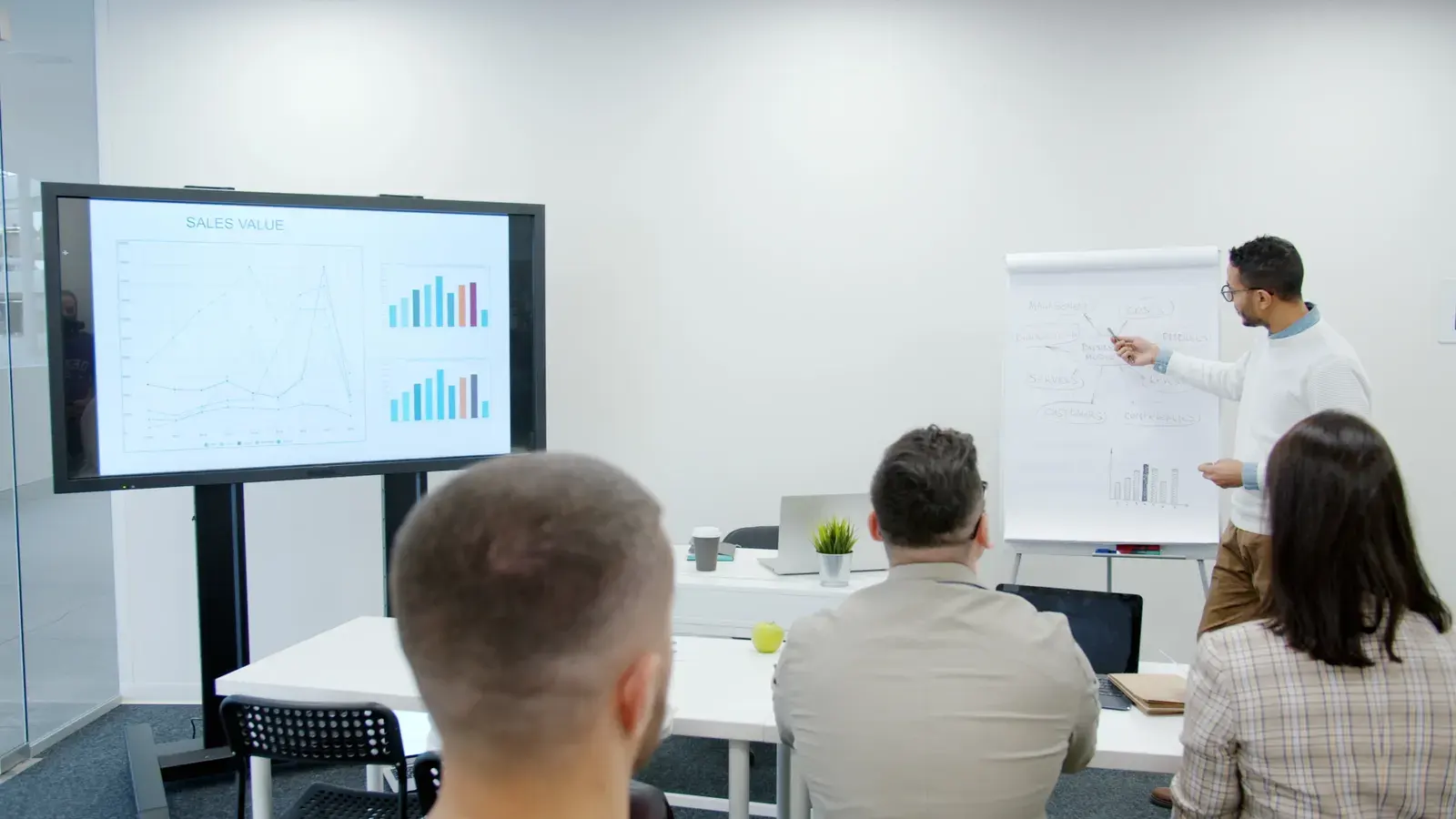
AI Coaching vs Human Coaching for Leaders: Which Works Better
Published:The global economy faces a significant challenge, with depression and anxiety costing an estimated US$1 trillion each year in lost productivity, highlighting the critical need for effective leadership support. As workplaces evolve, the debate between AI and human coaching for leaders intensifies, each offering distinct advantages in fostering mental well-being and productivity.
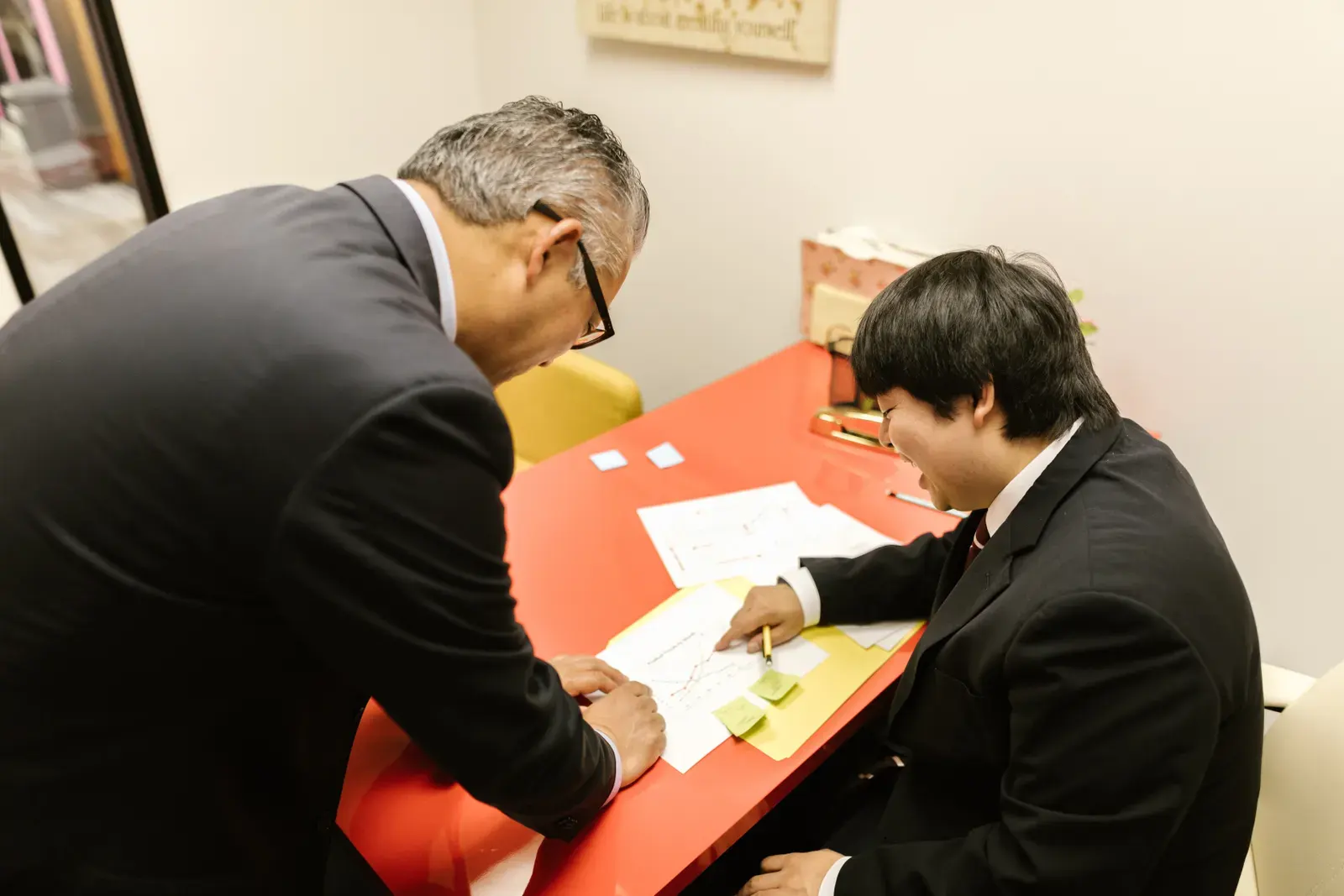
Coaching Skills Every Singapore Manager Needs in 2026
Published:With the World Health Organization estimating that depression and anxiety cost the global economy US$1 trillion per year in lost productivity, equipping Singaporean managers with essential coaching skills is crucial for fostering a supportive workplace and mitigating these economic and human costs.

The Hidden Cost of Poor Team Cohesion in Singapore Firms
Published:Poor team cohesion can significantly impact a company's bottom line, contributing to the estimated SGD 15.7 billion annually that poor employee mental health costs Singapore employers in reduced productivity and absenteeism.

How to Pitch EAP ROI to Your CFO: A Framework for Singapore Employers
Published:Poor employee mental health costs Singapore employers an estimated SGD 15.7 billion annually in reduced productivity and absenteeism, highlighting the critical need for strategic investment in employee well-being programs like EAPs.

Employee Assistance Programme (EAP) for Singapore SMEs: What Is Affordable
Published:What an affordable Employee Assistance Programme (EAP) looks like for a Singapore SME in 2026, and the cost of poor mental health that it addresses.

Which PFA Certification Is Right for Singapore HR: A Comparison
Published:With about one in three of more than 15,000 employees at employers that used iWorkHealth in 2024 reporting work-related stress or burnout (a voluntary sample), HR professionals are increasingly seeking effective ways to support employee wellbeing. Understanding the right Psychological First Aid (PFA) certification can equip HR with crucial skills to respond to workplace crises and foster a resilient environment.

AI and Workplace Mental Health in Asia: Opportunities, Risks, and What Employers Should Know
Published:The global economy faces a significant challenge, with depression and anxiety costing an estimated US$1 trillion annually in lost productivity. As AI integration accelerates, particularly in Asia, understanding its dual impact on employee well-being is crucial for employers navigating this evolving landscape.

EAP vs Corporate Mental Health App: What Singapore HR Should Choose in 2026
Published:With nearly a third of young people in Singapore experiencing severe symptoms of depression, anxiety, or stress, employers face a critical decision in selecting effective mental well-being support. This article explores the considerations for Singapore HR in choosing between Employee Assistance Programmes (EAPs) and corporate mental health apps.

Burnout Prevention at Work: Early Warning Signs and What Singapore Employers Can Do
Published:Addressing burnout is crucial for workplace well-being in Singapore, especially given that nearly a third of young people aged 15 to 35 reported severe or very severe symptoms of depression, anxiety, or stress, according to the National Youth Mental Health Study by the Institute of Mental Health (IMH). Employers have a vital role in recognizing early warning signs and implementing supportive measures to foster a healthier work environment.

Psychological First Aid at Work: A Practical Guide for Singapore HR and Managers
Published:Mental well-being is a critical concern in Singapore, with surveys from the Singapore Institute of Mental Health indicating that 1 in 3 youth aged 15 to 35 experience severe symptoms of depression, anxiety, or stress. This highlights the broader societal need for robust mental health support, which extends directly into the workplace.

Pay-As-You-Use EAP in Singapore: What It Actually Costs and How to Compare Providers
Published:The Singapore MOM Tripartite Advisory on Mental Well-being at Workplaces recommends that employers provide access to an Employee Assistance Programme (EAP) or other counselling services. Properly promoted EAPs can offer significant benefits, including reduced employee absenteeism costs and improved retention.

Psychological Safety at Work: What Singapore Managers Need to Know in 2026
Published:The Singapore MOM Tripartite Advisory on Mental Well-being at Workplaces highlights the critical need for employers to cultivate psychologically safe and trusting work environments. This recommendation underscores the importance of creating spaces where employees feel secure in speaking up, sharing concerns, and seeking help without fear of reprisal or stigmatization.

Building Mental Resilience at Work: What the Research Says and How Singapore Employers Can Act
Published:The American Psychological Association defines resilience as the process of adapting well to adversity, trauma, tragedy, threats, or significant sources of stress. In Singapore, the MOM Tripartite Advisory on Mental Well-being at Workplaces recommends that employers train managers to recognise signs of stress and support employee mental well-being.
How Team Leaders Can Support Employees With Workplace Anxiety in Singapore
Published:Workplace anxiety significantly impacts productivity, costing Singapore's economy an estimated $15.7 billion annually in lost productivity, with stress-related illnesses adding another $3.1 billion in losses each year. Team leaders play a crucial role in mitigating these impacts by fostering supportive environments and recognizing early signs of distress.

Why Psychological Safety Is the Foundation of High-Performing Singapore Teams
Published:Fostering psychological safety is crucial for high-performing teams, especially in Singapore, where mental well-being is a growing concern. The World Health Organization estimates that depression and anxiety disorders cost the global economy nearly US$1 trillion annually in lost productivity, highlighting the economic imperative of supportive workplace environments.

How Singapore Managers Can Recognise and Respond to Quiet Quitting
Published:Quiet quitting, a subtle disengagement from work, poses a significant challenge to productivity and employee well-being. The World Health Organization estimates that depression and anxiety disorders, often linked to disengagement, cost the global economy nearly US$1 trillion each year in lost productivity, highlighting the critical need for managers to address this issue proactively.

7 Workplace Mental Health KPIs HR Leaders Should Track in 2026/27
Published:Global employee engagement fell to 20% in 2025, while depression and anxiety cost an estimated US$1 trillion in lost productivity each year. Here are seven workplace mental health KPIs HR can track responsibly.

Psychological Safety at Work: A Practical Guide for Leaders and HR Teams
Published:Google's own research found psychologically safe teams outsell their targets by 17%, while unsafe teams miss by 19%. Here's what psychological safety actually is, and how to build it.