
Tag: Indonesia
All the articles with the tag "Indonesia".

Strategies to Reduce Manager and Frontline Staff Burnout Without Hurting Productivity
Published:Burnout among managers and frontline staff can severely impact organizational health and productivity. The World Health Organization estimates that depression and anxiety alone cost the global economy around US$1 trillion each year in lost productivity, highlighting the critical need for effective mental well-being strategies.

Human Centered Design for Mental Wellbeing: Crafting Employee Experience in Singapore
Published:The World Health Organization estimates that depression and anxiety cost the global economy around US$1 trillion each year in lost productivity, highlighting the critical need for effective workplace mental health strategies. Human-Centered Design (HCD) offers a powerful approach to address this by focusing on employee needs and experiences.

Rolling Out Mental Wellbeing Initiatives in Singapore's Multilingual Workplaces
Published:The World Health Organization estimates that depression and anxiety cost the global economy around US$1 trillion each year in lost productivity, highlighting the critical need for effective mental wellbeing initiatives in workplaces. In Singapore's diverse environment, successful implementation requires a strategic approach that addresses multilingual communication and cultural nuances.

Building a Manager Enablement Program for Mental Health Without Overburdening HR
Published:Organizations that implement structured, professional-led mental health support programs report improvements in employee retention and productivity within 12 months, highlighting the business case for investing in manager enablement.

Effective Leadership Development Programs for Reducing Burnout and Improving Team Wellbeing
Published:With 1 in 3 working adults in Singapore experiencing a mental health condition in the past 12 months, and poor mental health costing Singapore employers an estimated SGD 16 billion annually, effective leadership development programs are crucial for addressing burnout and enhancing team wellbeing.

What Is an EAP, and Is It Confidential?
Published:An Employee Assistance Programme (EAP) is a confidential support service your employer provides, usually short-term counselling or coaching for everyday worries. What you say is not shared with your manager or employer, with a few rare exceptions for safety or the law.

Measuring the Unmeasurable: ROI of Relational Fitness and Team Cohesion
Published:The World Health Organization estimates that depression and anxiety cost the global economy around US$1 trillion each year in lost productivity, highlighting the critical need for effective workplace mental health strategies. Investing in relational fitness and team cohesion can directly mitigate these costs by fostering a supportive environment that reduces stress and burnout.

Occupational Trauma in High-Risk Industries: Singapore HR Perspective
Published:Addressing occupational trauma is crucial for Singaporean HR, especially given that 1 in 3 working adults in Singapore experienced a mental health condition in the past 12 months, with work stress being a primary factor. Implementing structured mental health support can significantly improve employee retention and productivity.

Managing Grief and Loss in Teams: A Singapore Manager Guide
Published:With 1 in 3 working adults in Singapore experiencing a mental health condition in the past 12 months, managers need practical strategies to support employees through grief and loss. Implementing structured mental health support can improve employee retention and productivity within 12 months.

Post-Incident Psychological Support: What Employers Owe Employees
Published:Poor employee mental health costs Singapore employers an estimated SGD 15.7 billion annually, highlighting the critical need for robust workplace support. Providing post-incident psychological care is not just a moral imperative but a strategic investment in workforce resilience and productivity.

Future HR Skills: What the AI Era Demands in Singapore
Published:The advent of AI in the workplace necessitates a shift in HR priorities, particularly towards employee well-being, as the World Health Organization estimates that depression and anxiety cost the global economy around US$1 trillion each year in lost productivity.

Psychological Safety and Innovation: What the Research Actually Shows
Published:Research, notably Google's Project Aristotle, consistently identifies psychological safety as the single strongest predictor of high-performing team outcomes across diverse industries. This foundational element fosters an environment where employees feel safe to take risks, share ideas, and innovate without fear of negative repercussions.

Designing Mental Wellbeing Into the Employee Journey Map
Published:Integrating mental wellbeing into the employee journey map is crucial for organizations, especially given that poor employee mental health costs Singapore employers an estimated SGD 15.7 billion annually in reduced productivity and absenteeism.

Relational Fitness and Retention: What the Data Shows for Singapore HR
Published:Poor employee mental health costs Singapore employers an estimated SGD 15.7 billion annually in lost productivity, highlighting the critical link between employee wellbeing, relational fitness, and talent retention.

The Most Effective Psychological Safety Training for Singapore Leaders and Managers
Published:Poor employee mental health costs Singapore employers an estimated SGD 15.7 billion annually, highlighting the critical need for effective psychological safety training to foster supportive work environments and mitigate these significant economic burdens.

Singapore's Ageing Workforce: Mental Health Challenges and Support Strategies
Published:Addressing the mental well-being of Singapore's ageing workforce is crucial, as depression and anxiety alone cost the global economy an estimated US$1 trillion each year in lost productivity, according to the World Health Organization. Proactive support strategies are essential for organizational sustainability and employee well-being.

Essential Counselling Session Counts for Singapore EAPs: 3, 5, 6, or Unlimited?
Published:Workplace mental health is a growing employer priority, with the World Health Organization estimating that depression and anxiety cost the global economy around US$1 trillion each year in lost productivity.

Overcoming Empathy Fatigue in HR: Practical Strategies for Singapore Practitioners
Published:HR professionals in Singapore often face significant emotional demands, making them susceptible to empathy fatigue. Addressing this, the Singapore Ministry of Manpower's Tripartite Advisory on Mental Well-being at Workplaces recommends that all employers implement structured employee mental health support programmes, highlighting the importance of systemic support for all staff, including HR.

Boosting EAP Utilization: Overcoming Stigma and Low Employee Engagement in Singapore
Published:To enhance Employee Assistance Programme (EAP) utilization in Singapore, employers should align their offerings with national guidelines, such as the Health Promotion Board's Design Guide for Tier 1 mental well-being programmes, and follow the Tripartite Advisory on Mental Well-being at Workplaces, which recommends providing access to professional support.

Post-COVID Mental Health Support for Singapore Workplaces: New Employer Responsibilities
Published:The Singapore Ministry of Manpower's Tripartite Advisory on Mental Well-being at Workplaces recommends that all employers implement structured employee mental health support programmes, highlighting a shift towards greater employer responsibility in fostering a supportive work environment post-pandemic.

Training Managers to Spot Burnout and Psychosocial Risks Early in Singapore
Published:Singapore employers can enhance their leadership and HR capabilities by leveraging support from national initiatives like the Institute for Human Resource Professionals (IHRP) Certification, which aims to professionalise HR practice. This strategic investment helps equip managers to proactively identify and address early signs of burnout and psychosocial risks within their teams.

Aligning Workplace Mental Health Programs with MOM Guidance and Risk Assessments in Singapore
Published:The Singapore Ministry of Manpower's Tripartite Advisory on Mental Well-being at Workplaces recommends that all employers implement structured employee mental health support programmes, a crucial step given that depression and anxiety cost the global economy around US$1 trillion annually in lost productivity.
Business Outcomes of Wellbeing Programs: Resilience, Mental Fitness, Financial Wellbeing, or Coaching?
Published:Investing in employee wellbeing programs is crucial for organizational health, especially given that depression and anxiety alone cost the global economy an estimated US$1 trillion each year in lost productivity, according to the World Health Organization.

The Impact of Psychosocial Risk Assessments on Workplace Safety and Health in Singapore
Published:Poor employee mental health costs Singapore an estimated SGD 15.7 billion annually in reduced productivity and absenteeism, highlighting the critical need for proactive psychosocial risk management in workplaces.

Singapore EAP Market: Key Trends and Provider Landscape for 2026
Published:The Singapore EAP market is evolving rapidly, driven by recommendations from the Ministry of Manpower's Tripartite Advisory on Mental Well-being at Workplaces for employers to implement structured mental health support programmes.

EAP Proposal Template for Singapore Companies: Key Sections and Best Practices
Published:Crafting an effective Employee Assistance Programme (EAP) proposal for Singapore companies is crucial, especially given that depression and anxiety cost the global economy an estimated US$1 trillion annually in lost productivity, as reported by the World Health Organization. A well-structured proposal can clearly articulate how an EAP addresses this significant challenge and aligns with national guidelines.

Implementing Psychological Safety Training for Managers: Expected Results and Best Practices in Singapore
Published:Investing in workplace mental well-being, including psychological safety training for managers, is crucial given that depression and anxiety disorders cost the global economy US$1 trillion annually in lost productivity, as estimated by the World Health Organization.

Singapore MOM Guidelines for EAP: Ensuring Compliance and Best Practice
Published:Singapore's Ministry of Manpower, in collaboration with NTUC and SNEF, recommends that employers provide access to Employee Assistance Programmes (EAPs) as part of their commitment to mental well-being at workplaces. This advisory highlights the growing importance of structured support for employee mental health.

Comparing Psychometric Profiling Tools for Leadership Development in Singapore
Published:In Singapore, employers are increasingly focusing on mental well-being at work, with the Ministry of Manpower recommending measures like peer support systems. While psychometric tools are not directly addressed by these advisories, they can indirectly support leadership development that fosters a healthier workplace culture.

Singapore's Workplace Mental Health Guidance and Fairness Rules: Employer Expectations
Published:Employers in Singapore are increasingly recognizing the importance of fostering a supportive work environment, with research indicating that meeting employees' core psychological needs significantly improves their wellbeing and engagement.

Grit and Resilience in Singapore Workplaces: A Definitive Guide for HR
Published:Building grit and resilience in Singapore workplaces is crucial, especially given the Singapore Ministry of Manpower's recommendation for all employers to implement structured employee mental health support programmes.

Workplace Psychological First Aid (PFA) Training in Singapore: Essential Components
Published:Psychological First Aid (PFA) training, as outlined by the World Health Organization, equips individuals to provide humane, supportive first contact and refer those in distress to professional help, a critical skill for workplaces in Singapore and across APAC.

Designing Your EAP Package: Essential Inclusions for Singapore Employers in 2026
Published:Employers in Singapore are increasingly recognizing the importance of comprehensive Employee Assistance Programmes (EAPs) to support employee mental well-being, aligning with recommendations from the Tripartite Advisory on Mental Well-being at Workplaces.

Corporate Mental Health Platforms vs Traditional EAP: A Singapore HR Guide
Published:While traditional Employee Assistance Programmes (EAPs) often see low utilisation rates, modern corporate mental health platforms like iGROWFIT aim for significantly higher engagement, with some programmes achieving 15 to 30% engagement compared to typical EAP rates of 0 to 5%. This guide explores the differences for Singapore HR leaders.

Financial Wellbeing Programs for Employees: Comparing Providers and Impact in Singapore
Published:The Singapore Ministry of Manpower's Tripartite Advisory on Mental Well-being at Workplaces recommends that all employers implement structured employee mental health support programmes, highlighting the growing need for comprehensive wellbeing solutions.

Building a Manager Enablement Program for Mental Health: A Cost-Benefit Analysis for Singapore Firms
Published:Singapore's Ministry of Manpower recommends that all employers implement structured employee mental health support programs, highlighting the growing importance of manager enablement in fostering a supportive workplace.

Calculating EAP ROI: Beyond Absenteeism and Presenteeism Metrics for Singapore Firms
Published:Poor employee mental health costs Singapore employers an estimated SGD 15.7 billion annually, with presenteeism accounting for the largest portion. Understanding the full return on investment for Employee Assistance Programmes requires looking beyond traditional metrics to encompass broader organizational benefits.

Cost Effective Mental Health Interventions for Singapore SMEs: A Buyer's Guide
Published:Poor employee mental health costs Singapore employers an estimated SGD 15.7 billion annually in reduced productivity and absenteeism, highlighting the critical need for effective and accessible mental health interventions for SMEs.

Measuring Wellbeing Program Effectiveness: Reducing Burnout and Boosting Productivity in Singapore
Published:Poor employee mental health costs Singapore an estimated SGD 15.7 billion annually, with presenteeism accounting for 81.6% of this total. Effectively measuring wellbeing program effectiveness is crucial for organizations to mitigate these costs and foster a healthier, more productive workforce.

Average EAP Cost Per Employee Per Year in Singapore: What to Budget
Published:Poor employee mental health costs Singapore an estimated SGD 15.7 billion annually. Investing in Employee Assistance Programmes (EAPs) is a recommended strategy to mitigate these costs and support workforce well-being.

ROI of Mental Resilience Training for Employees in Singapore: A Business Case
Published:Poor employee mental health costs Singapore employers an estimated SGD 15.7 billion annually in reduced productivity and absenteeism. Investing in mental resilience training can mitigate these significant financial burdens and foster a more robust, engaged workforce.

EAP Pricing Models in Singapore: Cost Per Employee and What to Expect
Published:Understanding Employee Assistance Programme (EAP) pricing models is crucial for Singaporean employers, especially given that depression and anxiety cost the global economy around US$1 trillion each year in lost productivity, as estimated by the World Health Organization. This guide explores common cost-per-employee structures and what services to anticipate.

Top EAP Providers in Singapore: Comparing Services for SMEs and Enterprises
Published:The World Health Organization estimates that depression and anxiety cost the global economy around US$1 trillion each year in lost productivity, highlighting the critical need for robust employee support. In Singapore, the Ministry of Manpower recommends structured mental health support, including Employee Assistance Programmes, for all employers.

Comparing Workplace Wellbeing Vendors in Singapore: Price, Confidentiality, Multilingual Support
Published:Employers investing in mental health support can see a significant return on investment, with Deloitte analysis finding an average return of several times the cost of the programmes. This guide compares key workplace wellbeing vendors in Singapore, focusing on critical factors like service offerings, regional reach, and support for diverse workforces.

Top EAP Providers in Singapore 2026: An Independent Comparison Guide
Published:With global employee engagement falling to 20% in 2025, according to Gallup research, employers are increasingly prioritizing workforce mental health. This guide compares leading Employee Assistance Programme (EAP) providers in Singapore to help organizations make informed decisions.

Best EAP for SMEs vs Large Enterprises in Singapore: A Feature Comparison
Published:The Singapore Ministry of Manpower's Tripartite Advisory on Mental Well-being at Workplaces recommends that all employers implement structured employee mental health support programmes, including access to Employee Assistance Programmes (EAPs). This comparison helps Singaporean employers navigate EAP options tailored for different organizational sizes.

Executive Coaching for Leaders in Singapore: Pricing, Providers, and ROI
Published:Executive coaching for leaders in Singapore is a strategic investment, especially given that the World Health Organization estimates depression and anxiety cost the global economy around US$1 trillion each year in lost productivity. This highlights the critical role of leadership in fostering a supportive work environment and mitigating such costs.

Best EAP Providers For SMEs In Singapore 2026 Compared
Published:Poor employee mental health costs Singapore's economy an estimated S$15.7 billion annually in lost productivity, highlighting the critical need for effective Employee Assistance Programs (EAPs). This guide compares leading EAP providers for SMEs in Singapore, offering insights into their services to help businesses make informed decisions.

How to Teach Emotional Regulation to Your Management Team
Published:Teaching emotional regulation to your management team is crucial for fostering a resilient and productive workplace, especially given that poor employee mental health costs Singapore employers an estimated SGD 15.7 billion annually in reduced productivity and absenteeism.

Emotional Agility in the Workplace: Beyond Traditional EQ
Published:Poor employee mental health costs Singapore employers an estimated SGD 15.7 billion annually, highlighting the critical need for advanced emotional skills like emotional agility. This approach helps individuals navigate complex feelings and respond constructively to workplace challenges.

What Singapore Employees Actually Want From Their Managers in 2026
Published:Employee engagement is a critical competitive differentiator for organizations, strongly relating to retention and productivity, according to Gallup's meta-analysis. Understanding these evolving needs is crucial for managers in Singapore to foster a thriving workforce.

Emotional Agility for Leaders: Evidence-Based Techniques
Published:Poor employee mental health costs Singapore employers an estimated SGD 15.7 billion annually, with presenteeism accounting for the vast majority of this burden. Leaders equipped with emotional agility can significantly mitigate these costs by fostering healthier, more productive work environments.
High-Potential Program Design That Actually Develops People
Published:Effective high-potential programs are crucial for talent development, especially given that 1 in 3 employees in Singapore experienced work stress or burnout in 2022. Designing programs that genuinely develop people, rather than just identify them, is key to fostering a resilient and productive workforce.

Leaders and Mental Health Disclosure: Should Managers Share at Work
Published:Workplace mental health is a growing priority for employers, especially given that depression and anxiety symptoms could be costing Singapore nearly SGD 16 billion a year in lost productivity, according to a study by Duke-NUS Medical School and IMH. Leaders play a crucial role in fostering a supportive environment, but the extent of personal disclosure requires careful consideration.

Critical Incident Stress Management for Singapore Organizations
Published:Workforce mental health and wellbeing are increasingly identified as a growing employer priority by organizations like the World Economic Forum, highlighting the need for robust support systems in Singapore workplaces.

Gen Z and AI at Work: New Kinds of Workplace Anxiety in Singapore
Published:Workplace mental health is a growing priority, especially with the rise of AI. In Singapore, poor employee mental health costs employers an estimated SGD 16 billion annually, highlighting the urgent need to address new anxieties emerging from technological shifts.

Ethical AI in the Workplace: A Singapore HR Compliance Guide
Published:This article explores the landscape of ethical AI in the workplace, focusing on HR compliance in Singapore. While specific data on AI's direct impact on HR compliance is still emerging, the broader context of workplace well-being is significant, with poor employee mental health costing Singapore employers an estimated SGD 15.7 billion annually in reduced productivity and absenteeism, as reported in BMC Psychiatry.

Mental Fitness for Finance and Legal Professionals in Singapore
Published:Poor mental health, specifically symptoms of depression and anxiety, costs Singapore an estimated SGD 15.7 billion annually, with presenteeism being the largest contributor, highlighting the critical need for mental fitness in high-pressure sectors like finance and legal professions.

Stress Inoculation Training: Does It Work for Singapore Teams?
Published:Mental health challenges significantly impact Singapore's economy, draining an estimated $15.7 billion annually in lost productivity, with stress-related illnesses contributing an additional $3.1 billion in losses every year. This highlights the critical need for effective interventions like Stress Inoculation Training to build resilience in the workforce.

Sleep, Stress, and Workplace Performance: What Singapore Research Shows
Published:Poor employee mental health, often exacerbated by stress and poor sleep, costs Singapore employers an estimated SGD 15.7 billion annually in reduced productivity and absenteeism, highlighting a critical need for robust workplace well-being strategies.

EAP Communication Strategy That Drives Utilization in Singapore Teams
Published:Poor employee mental health costs Singapore employers an estimated SGD 15.7 billion annually in reduced productivity and absenteeism, highlighting the critical need for effective Employee Assistance Programme (EAP) communication strategies to drive utilization and support workforce wellbeing.

The Psychology of Change Management in Singapore Organizations
Published:Organizations in Singapore that implement structured, professional-led mental health support report improvements in employee retention and productivity within 12 months, highlighting the critical role of psychological factors in successful change management.

Intergenerational Teams in Singapore: Bridging Gen Z and Millennials
Published:Poor employee mental health costs Singapore an estimated SGD 15.7 billion annually, highlighting the critical need for supportive workplace environments that cater to diverse generational needs, including those of Gen Z and Millennials. Bridging generational gaps is essential for fostering a cohesive and productive workforce.

Cross-Cultural Communication in Singapore Teams: Practical Guide
Published:Poor employee mental health costs Singapore an estimated SGD 15.7 billion annually, with presenteeism accounting for the vast majority of this burden. Effective cross-cultural communication is a cornerstone of a healthy workplace, directly impacting team cohesion and individual well-being.

Emotional Fitness for High-Pressure Roles in Singapore
Published:In Singapore's demanding work environment, fostering emotional fitness is crucial for individuals in high-pressure roles. The Singapore Ministry of Manpower's Tripartite Advisory on Mental Well-being at Workplaces underscores this by recommending that all employers implement structured employee mental health support programmes.

Middle Manager Mental Health in Singapore: The Forgotten Layer
Published:Middle managers in Singapore often bear a disproportionate burden of workplace stress, contributing to the estimated SGD 15.7 billion annual cost to employers from poor employee mental health. Addressing their unique challenges is crucial for overall organizational well-being and productivity.

Digital Burnout: When Technology Accelerates Workplace Exhaustion
Published:Organizations that implement structured, professional-led mental health support programs can see improvements in employee retention and productivity within 12 months, addressing the growing challenge of digital burnout. This proactive approach helps mitigate the exhaustion accelerated by constant technological demands.

Resilience Training for Managers: What the Evidence Actually Shows
Published:Poor employee mental health costs Singapore employers an estimated SGD 15.7 billion annually, with presenteeism being the largest contributor. This highlights the critical need for effective interventions like resilience training for managers to mitigate these economic burdens and foster healthier workplaces.

What Is Mental Fitness and How Is It Different from Mental Health
Published:Understanding the distinction between mental fitness and mental health is crucial for workplace well-being strategies, especially given that poor employee mental health costs Singapore an estimated SGD 15.7 billion annually.

How Managers Accidentally Destroy Psychological Safety
Published:Poor psychological safety in the workplace can have significant financial repercussions, contributing to the estimated SGD 15.7 billion annually in lost productivity for Singapore employers. Managers, often unintentionally, play a critical role in either fostering or eroding this essential element of a healthy work environment.
Psychological Safety in Asian Work Cultures: What Is Different
Published:Fostering psychological safety is crucial for workplace well-being, especially given that poor employee mental health costs Singapore employers an estimated SGD 15.7 billion annually, with presenteeism accounting for the vast majority of this burden. Understanding cultural nuances is key to effectively implementing psychological safety initiatives in Asian work environments.

Conflict Resolution That Strengthens Culture Not Damages It
Published:Effective conflict resolution is crucial for a healthy workplace, especially given that depression and anxiety cost the global economy around US$1 trillion each year in lost productivity, highlighting the need for supportive work environments.

Empathy Fatigue in HR Practitioners: Signs and Solutions
Published:Globally, an estimated 12 billion working days are lost every year to depression and anxiety, costing US$ 1 trillion in lost productivity, highlighting the immense pressure on HR practitioners who often serve as frontline support for employee well-being.
How to Build a Coaching Culture in 90 Days
Published:Building a coaching culture can significantly enhance employee well-being and productivity. Research on a joint employee-manager intervention, MENTOR 2.0, demonstrated reductions in psychological distress and improvements in productivity within an average program duration of 65 days, achieving an 87% post-intervention retention rate.

Resilience vs Grit: What Singapore HR Leaders Need to Understand
Published:Singapore HR leaders are increasingly focused on employee well-being, with the Ministry of Manpower's Tripartite Advisory on Mental Well-being at Workplaces recommending that all employers implement structured mental health support programmes.

Psychological Safety vs Being Nice: The Critical Difference
Published:Understanding the distinction between psychological safety and merely being nice is crucial for fostering truly supportive and productive workplaces. The World Economic Forum identifies workforce mental health and wellbeing as a growing employer priority, underscoring the need for environments where employees feel safe to speak up.

Wellbeing Strategy That Survives an Economic Downturn
Published:Investing in employee mental health and wellbeing is not just a cost, but a strategic imperative, with evidence-based interventions returning SGD 4-6 for every SGD 1 invested through improved productivity and retention, according to Deloitte research.

Mental Fitness Quiz for Singapore Employees: What It Measures and Why It Matters
Published:Poor employee mental health costs Singapore an estimated SGD 16 billion annually in reduced productivity and absenteeism, highlighting the critical need for proactive mental wellness strategies. Mental fitness quizzes offer a valuable tool for organizations to understand and support their workforce's psychological wellbeing.

How to Support Managers With Psychological Safety Training in Singapore
Published:Poor employee mental health costs Singapore employers an estimated S$16 billion annually in reduced productivity and absenteeism, highlighting the critical need for effective workplace interventions. Psychological safety training for managers is a key strategy to foster environments where employees feel safe to contribute, innovate, and thrive.

Suicide Prevention in the Workplace: A Singapore Employer Guide
Published:Poor employee mental health costs Singapore employers an estimated SGD 16 billion annually in reduced productivity and absenteeism, highlighting the critical need for proactive workplace mental health strategies, including suicide prevention.

Psychological First Aid Training for Managers in Singapore: What Is Required
Published:Poor employee mental health costs Singapore employers an estimated SGD 15.7 billion annually in lost productivity, highlighting the critical need for proactive support. Equipping managers with Psychological First Aid (PFA) training is a vital step to address this, enabling them to provide immediate, humane support and refer employees to professional help.

Will AI Replace HR in Singapore? What the Data Shows
Published:While AI is transforming HR functions, the data suggests a more nuanced future where human expertise remains critical, especially given that poor employee mental health costs Singapore an estimated SGD 15.7 billion annually. AI will likely augment, rather than fully replace, HR professionals, allowing them to focus on strategic initiatives like employee well-being.

Mental Fitness KPIs Every Singapore HR Team Should Track
Published:With depression and anxiety costing the global economy an estimated US$1 trillion annually in lost productivity, tracking mental fitness KPIs is crucial for Singapore HR teams to mitigate these impacts and foster a healthier workforce.

Singapore Burnout Statistics 2026: What Employers Must Know
Published:Lost productivity due to depression and anxiety may cost Singapore nearly S$16 billion a year, highlighting the critical need for employers to address workforce mental health proactively. Understanding these statistics is crucial for developing effective strategies to support employee well-being and mitigate significant economic impacts.

Enhancing Team Performance: Psychological Safety Assessment Tools for Singapore Teams
Published:Understanding and fostering psychological safety is crucial for high-performing teams, especially given that Google's Project Aristotle identified it as the single strongest predictor of team success across all industries studied. Implementing effective assessment tools can help Singaporean organizations cultivate environments where employees feel safe to contribute and innovate.

ESG Reporting and Employee Mental Health: What Singapore Employers Must Disclose
Published:Poor employee mental health costs Singapore an estimated SGD 16 billion annually, or about 2.9 per cent of the nation’s gross domestic product, highlighting the critical need for employers to address and potentially disclose their strategies for supporting employee well-being.

What EAP Utilization Rates Should Singapore Employers Expect?
Published:Poor employee mental health costs Singapore employers an estimated SGD 16 billion annually, highlighting the critical need for effective support systems like Employee Assistance Programmes (EAPs). Understanding expected utilization rates is key for employers to maximize the return on investment in these vital wellbeing initiatives.

Human-Centered Design in HR: Practical Guide for Singapore Firms
Published:Poor employee mental health costs Singapore employers an estimated SGD 16 billion annually in reduced productivity and absenteeism, highlighting the urgent need for more effective, human-centered HR strategies. By focusing on employee needs, firms can create supportive environments that improve well-being and engagement.

Wellbeing as Competitive Advantage: Singapore Case Studies 2026
Published:Investing in employee wellbeing is not just a moral imperative but a strategic business advantage, especially in Singapore. The World Health Organization estimates that depression and anxiety cost the global economy around US$1 trillion each year in lost productivity, highlighting the significant economic impact of mental health challenges.

Emotional Labor in Singapore Service Industries: A HR Guide
Published:Emotional labor, the management of one's own emotions to present a desired public face, is a significant factor in Singapore's service industries. Poor employee mental health, often exacerbated by emotional labor, costs Singapore employers an estimated SGD 15.7 billion annually in lost productivity, highlighting the urgent need for HR to address this issue.

Building the Business Case for Workplace Mental Health: A CFO-Ready Framework
Published:Poor employee mental health costs Singapore employers an estimated SGD 15.7 billion annually in reduced productivity and absenteeism, highlighting the critical need for a robust business case for mental health initiatives.

EAP for Hybrid and Remote Teams: Singapore Best Practices 2026
Published:Poor employee mental health costs Singapore employers an estimated SGD 15.7 billion annually in lost productivity, highlighting the critical need for effective support systems. Employee Assistance Programmes (EAPs) are a vital tool to address this, especially for the unique challenges faced by hybrid and remote teams.

Building a Robust Workplace Crisis Response Plan from Scratch
Published:Workplace crises, particularly those impacting mental well-being, can severely disrupt operations and employee health. With lost productivity due to depression and anxiety costing the global economy US$1 trillion annually, according to the World Health Organization, proactive crisis response planning is essential for organizational resilience and employee support.

Crafting an Effective EAP RFP for Singapore Companies
Published:Employers in Singapore are increasingly recognizing the importance of mental well-being, with the Ministry of Manpower recommending that organizations consider implementing measures like Employee Assistance Programmes (EAPs). Globally, depression and anxiety cost the economy US$1 trillion annually in lost productivity, underscoring the financial imperative for robust workplace mental health support.

Employee Experience Design: Getting HR and Finance Buy-In in Singapore
Published:Poor employee mental health costs Singapore employers an estimated SGD 15.7 billion annually, highlighting the critical need for strategic employee experience design. Securing buy-in from HR and Finance is essential to implement initiatives that address these costs and foster a thriving workforce.
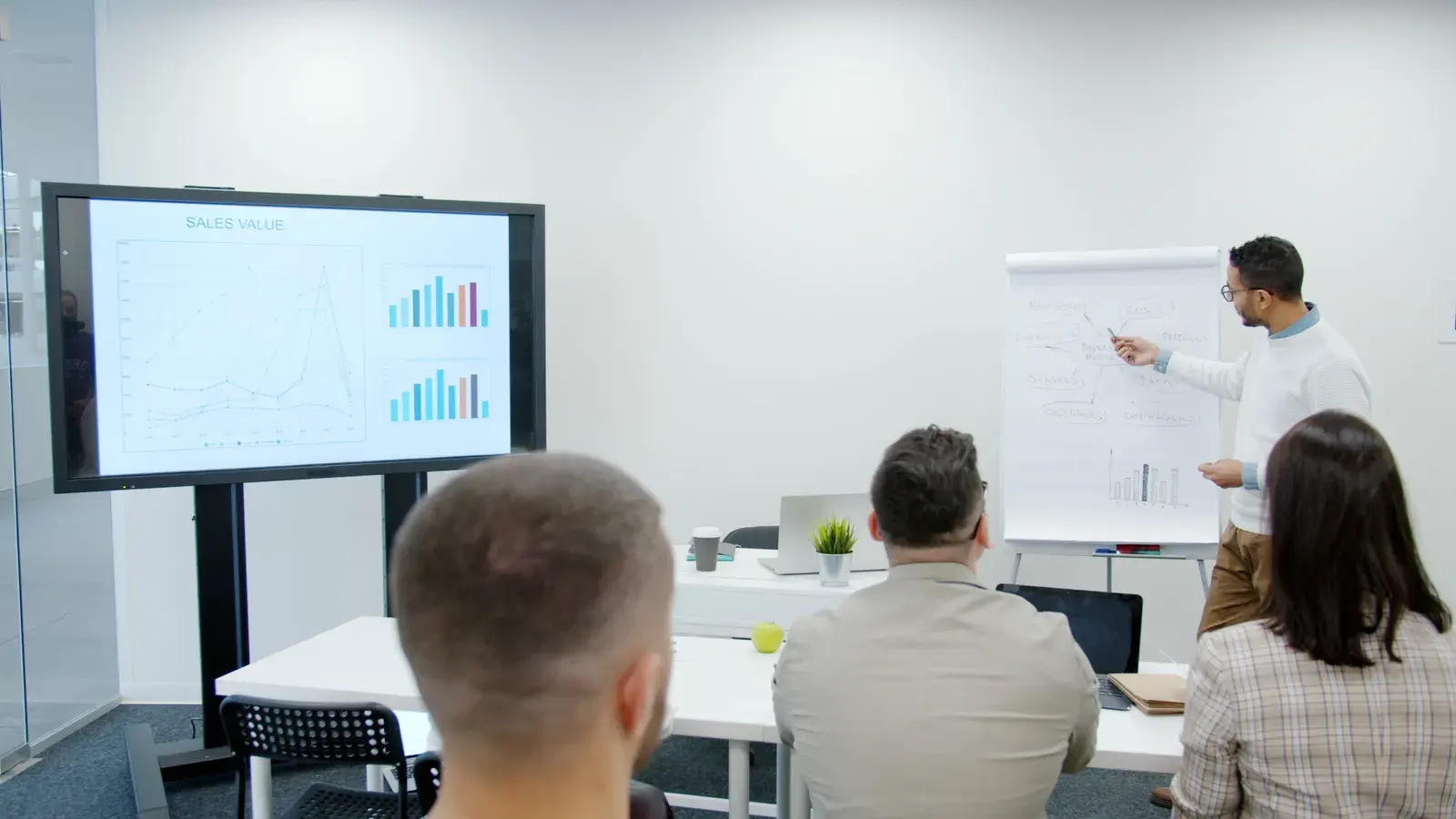
AI Coaching vs Human Coaching for Leaders: Which Works Better
Published:The global economy faces a significant challenge, with depression and anxiety costing an estimated US$1 trillion each year in lost productivity, highlighting the critical need for effective leadership support. As workplaces evolve, the debate between AI and human coaching for leaders intensifies, each offering distinct advantages in fostering mental well-being and productivity.
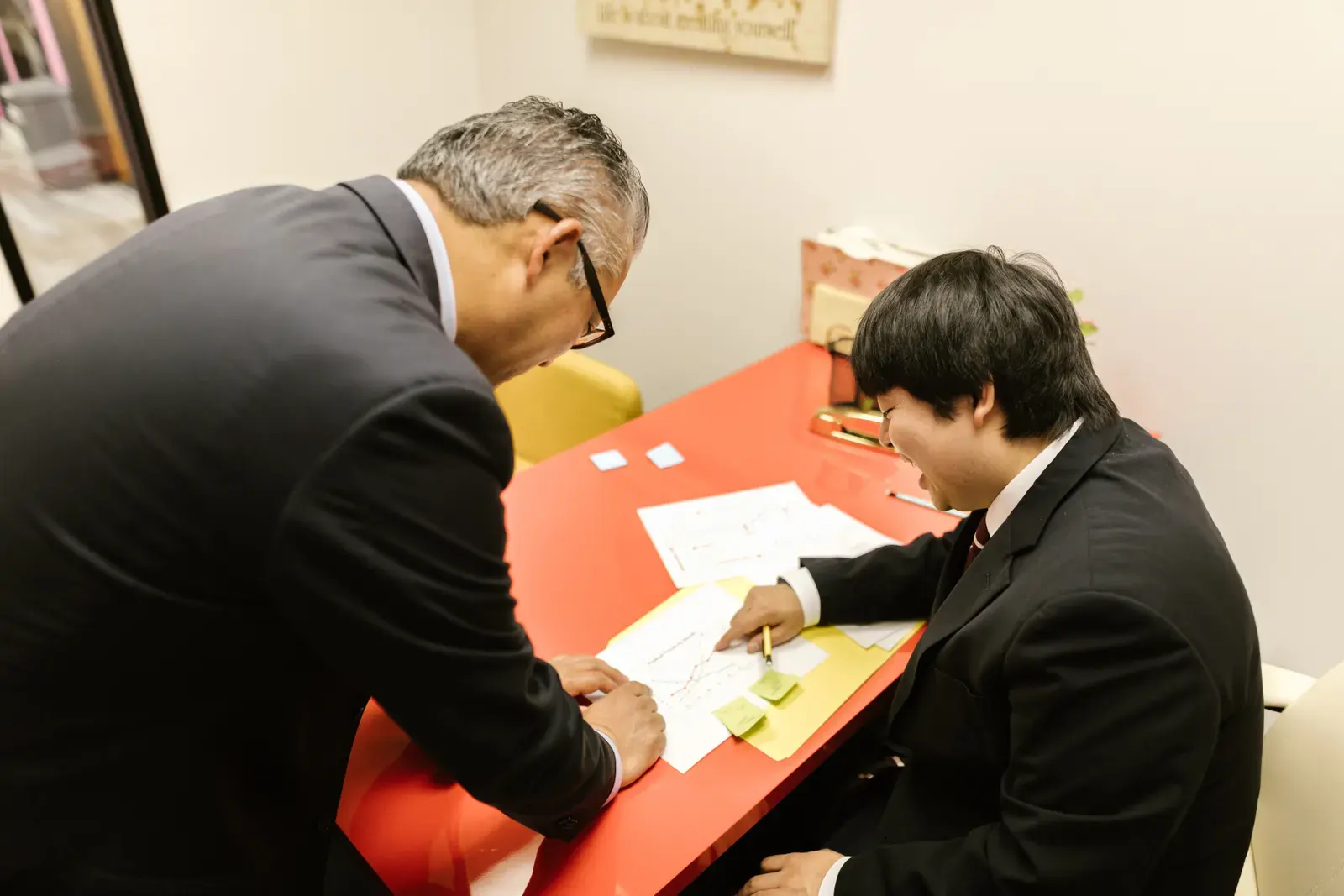
Coaching Skills Every Singapore Manager Needs in 2026
Published:With the World Health Organization estimating that depression and anxiety cost the global economy US$1 trillion per year in lost productivity, equipping Singaporean managers with essential coaching skills is crucial for fostering a supportive workplace and mitigating these economic and human costs.

The Hidden Cost of Poor Team Cohesion in Singapore Firms
Published:Poor team cohesion can significantly impact a company's bottom line, contributing to the estimated SGD 15.7 billion annually that poor employee mental health costs Singapore employers in reduced productivity and absenteeism.

How to Pitch EAP ROI to Your CFO: A Framework for Singapore Employers
Published:Poor employee mental health costs Singapore employers an estimated SGD 15.7 billion annually in reduced productivity and absenteeism, highlighting the critical need for strategic investment in employee well-being programs like EAPs.